
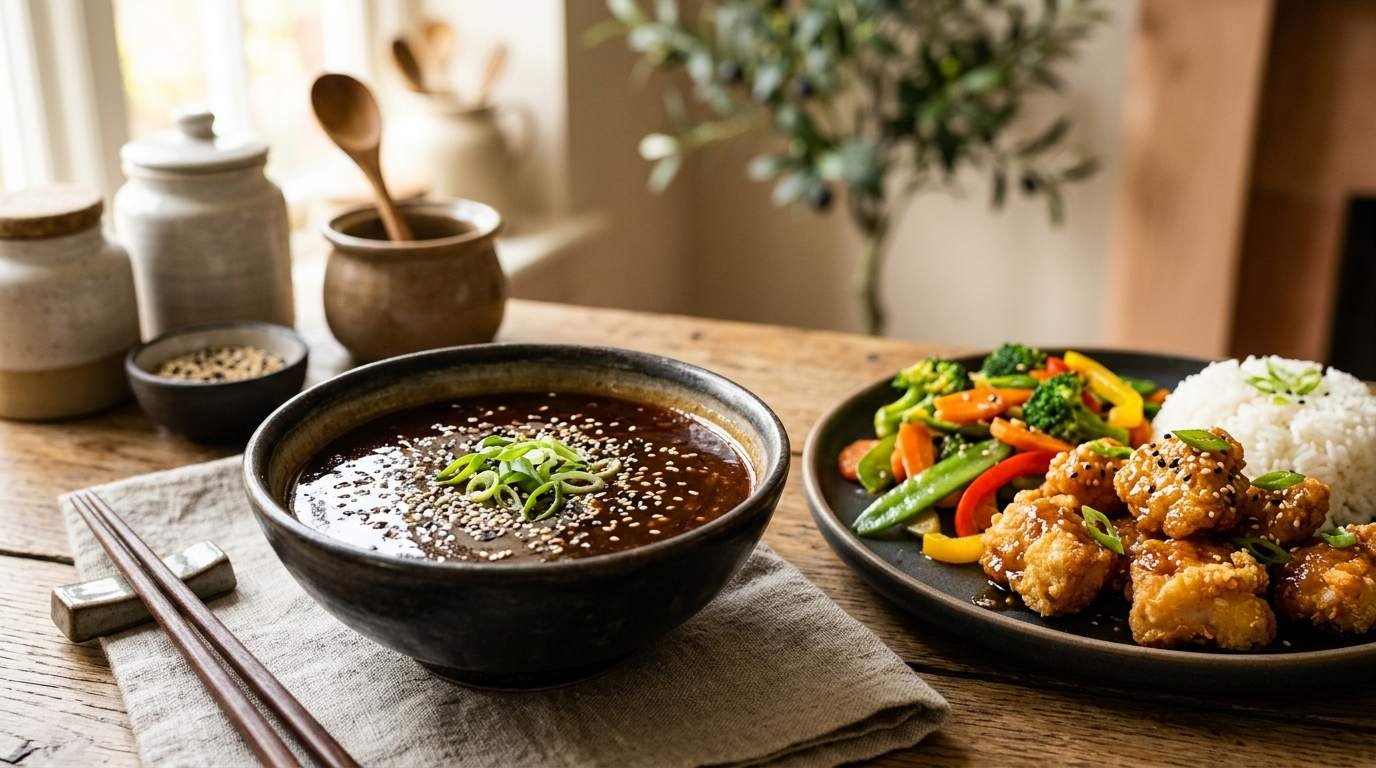

A glossier sauce recipe is the secret to turning ordinary dishes into something that looks polished, glossy, and restaurant-worthy. Whether we are finishing roasted vegetables, glazing chicken, dressing noodles, coating crispy potatoes, or adding shine to grilled meats, the right sauce can transform both the flavor and appearance of a meal.
This homemade sauce delivers a smooth, shiny finish with a balanced combination of sweet, savory, tangy, and rich flavors. It is easy to prepare, uses simple ingredients, and can be adjusted depending on the dish we are serving.
Table of Contents
What Is Glossier Sauce?
Glossier sauce refers to a sauce with a smooth, shiny, lacquered appearance that clings beautifully to food. The glossy finish usually comes from a combination of reduced liquid, sweetness, fat, or a thickening ingredient.
Instead of producing a dull or watery coating, a good glossier sauce should lightly coat the surface of food. When tossed with hot ingredients, it should create an attractive sheen while adding concentrated flavor.
We can use this type of sauce for everything from weeknight dinners to special-occasion meals.
Why We Love This Glossier Sauce Recipe
There are several reasons this recipe deserves a permanent place in our kitchen.
- Quick to make: The sauce comes together in minutes.
- Simple ingredients: Most ingredients are easy to find.
- Versatile: It works with meat, vegetables, noodles, rice, and more.
- Beautiful finish: The sauce creates an appealing glossy coating.
- Easy to customize: We can make it sweeter, tangier, spicier, or richer.
- Make-ahead friendly: It can be prepared in advance and refrigerated.
The biggest advantage is versatility. Once we understand the basic balance of the sauce, we can adapt it to countless meals.
Glossier Sauce Ingredients
For a simple homemade version, we need:
- 1/2 cup soy sauce
- 1/4 cup honey
- 2 tablespoons brown sugar
- 2 tablespoons rice vinegar
- 1 tablespoon sesame oil
- 1 tablespoon minced garlic
- 1 teaspoon freshly grated ginger
- 1 tablespoon cornstarch
- 2 tablespoons cold water
- 1/4 teaspoon black pepper
- Optional: 1/2 teaspoon red pepper flakes
Choosing the Right Ingredients
Soy sauce provides the savory foundation. Regular soy sauce works well, while low-sodium soy sauce gives us greater control over the final saltiness.
Honey and brown sugar provide sweetness and help create the characteristic glossy appearance. Honey also gives the finished sauce a particularly smooth texture.
Rice vinegar adds acidity. This is important because sweetness and saltiness can otherwise make the sauce taste heavy.
Sesame oil contributes a subtle nutty aroma. A little goes a long way.
Garlic and ginger create depth and freshness, making the sauce taste much more complex than its short ingredient list suggests.
Cornstarch is responsible for thickening the sauce and helping it cling to food.
How to Make Glossier Sauce
Step 1: Combine the Sauce Ingredients
Add the soy sauce, honey, brown sugar, rice vinegar, sesame oil, garlic, ginger, and black pepper to a small saucepan.
Whisk everything together until the honey and brown sugar are incorporated.
Step 2: Prepare the Cornstarch Slurry
In a separate small bowl, combine the cornstarch with cold water.
Whisk until completely smooth.
This mixture is called a cornstarch slurry, and preparing it separately prevents cornstarch from forming unpleasant lumps in the sauce.
Step 3: Simmer the Sauce
Place the saucepan over medium heat.
Bring the mixture to a gentle simmer while stirring regularly. We do not need a vigorous boil. A controlled simmer allows the flavors to combine while the liquid begins to reduce.
Step 4: Add the Slurry
Slowly whisk the cornstarch mixture into the simmering sauce.
Continue cooking for approximately 1–2 minutes, stirring constantly.
The sauce should gradually become thicker and develop a smooth, glossy consistency.
Step 5: Check the Consistency
Remove the saucepan from the heat once the sauce coats the back of a spoon.
Remember that the sauce will continue to thicken slightly as it cools.
If it becomes too thick, we can whisk in a small amount of water. If it is too thin, return it to low heat for another minute.
How to Get the Glossiest Sauce
The texture is just as important as the flavor.
For the best results, we should avoid adding too much cornstarch. An overly thick sauce can become sticky rather than silky.
The sauce should be thick enough to cling to the food without becoming paste-like.
Another important factor is temperature. Tossing the sauce with hot food helps create an attractive coating.
A brief reduction also concentrates the flavors and gives the sauce a deeper appearance.
Best Foods to Serve With Glossier Sauce
One of the best features of this recipe is its versatility.
Chicken
Brush the sauce over grilled, baked, or pan-seared chicken. We can also toss crispy chicken pieces with the sauce immediately before serving.
Beef
Glossier sauce pairs especially well with sliced steak, beef strips, or stir-fried beef.
For a quick dinner, we can sear thin strips of beef and toss them with the sauce and vegetables.
Salmon
The sweet and savory profile works beautifully with salmon. Brush a thin layer over salmon before baking, then add another small amount during the final minutes of cooking.
Shrimp
Shrimp cook quickly and pair wonderfully with this sauce. Sauté the shrimp until nearly done, then add the sauce and toss until everything is evenly coated.
Vegetables
We do not need meat to enjoy this recipe. Roasted broccoli, carrots, mushrooms, bell peppers, Brussels sprouts, and cauliflower can all benefit from a glossy coating.
Noodles
Toss cooked noodles with the sauce for an easy meal. Add vegetables, sesame seeds, green onions, or cooked chicken for a more complete dish.
Rice Bowls
A spoonful of glossier sauce over steamed rice creates an easy base for a quick lunch or dinner.
Top the bowl with vegetables, protein, green onions, sesame seeds, and a drizzle of extra sauce.
Glossier Sauce for Stir-Fry
This sauce is particularly useful for stir-frying.
We can quickly cook chicken, beef, shrimp, tofu, or vegetables in a hot skillet or wok. Once the ingredients are nearly cooked, add the sauce and toss everything together.
The heat allows the sauce to become shiny and cling to the ingredients.
For a complete meal, serve the stir-fry over steamed jasmine rice or noodles.
How to Make It Spicy
For a spicy version, add red pepper flakes, chili garlic sauce, sriracha, or a small amount of chili paste.
We should add spicy ingredients gradually because it is much easier to increase the heat than to correct an overly spicy sauce.
For a sweet-and-spicy variation, slightly increase the honey while adding chili flakes.
How to Make a Less Sweet Glossier Sauce
If we prefer savory flavors, reduce the honey and brown sugar.
We can also increase the rice vinegar slightly to create a sharper flavor profile.
Using low-sodium soy sauce can help keep the sauce balanced when reducing the sweetness.
How to Make It Thicker
If the sauce is too thin, allow it to simmer for another minute or two.
Alternatively, prepare a small additional cornstarch slurry and add it gradually.
We should avoid adding dry cornstarch directly to the hot sauce because it can create lumps.
How to Make It Thinner
If the sauce becomes too thick, simply whisk in a tablespoon of water at a time.
Warm water or broth can also be used when we want to preserve the flavor while loosening the consistency.
Common Mistakes to Avoid
Using Too Much Cornstarch
Too much thickener can make the sauce heavy and gummy.
Boiling Too Aggressively
A hard boil can cause the sauce to reduce too quickly. A gentle simmer gives us better control.
Adding the Slurry Without Mixing
Cornstarch settles quickly. We should whisk the slurry immediately before adding it.
Making the Sauce Too Salty
Soy sauce varies significantly in saltiness. Tasting before adding extra salt is essential.
Overcooking the Sauce
Once the sauce has reached the desired consistency, remove it from the heat. Continued cooking can make it much thicker than intended.
How to Store Glossier Sauce
Allow the sauce to cool before transferring it to an airtight container.
Store it in the refrigerator for approximately 4–5 days.
Because the sauce thickens as it chills, we can gently warm it before serving. Add a splash of water if necessary and whisk until smooth.
Always use clean utensils when serving refrigerated sauce.
Can We Freeze Glossier Sauce?
Yes, the sauce can be frozen, although its texture may change slightly after thawing because of the cornstarch.
For best results, freeze it in small portions so we only thaw what we need.
Thaw the sauce in the refrigerator, then gently reheat it in a saucepan. Whisk in a small amount of water to restore a smoother consistency.
Easy Ways to Customize the Recipe
Once we have mastered the basic formula, we can create different versions.
For a citrus version: Add fresh orange or lime juice.
For extra heat: Add chili flakes or chili paste.
For more sweetness: Increase the honey.
For more acidity: Add additional rice vinegar.
For deeper flavor: Add a splash of oyster sauce.
For a richer finish: Add a small amount of butter after removing the sauce from the heat.
For extra freshness: Finish with chopped green onions or cilantro.
Final Tips for the Best Glossier Sauce Recipe
The best results come from balancing sweet, salty, tangy, savory, and aromatic flavors rather than relying on any single ingredient.
We should also pay attention to consistency. The ideal sauce is thick enough to coat food while remaining smooth and pourable.
For the most attractive finish, add the sauce near the end of cooking and toss the food over medium-high heat until every piece is evenly coated.
Whether we are preparing a quick stir-fry, glazing salmon, coating crispy chicken, dressing noodles, or adding flavor to roasted vegetables, this glossier sauce recipe gives us an easy way to create meals with a polished, restaurant-style finish.
The recipe is simple enough for a weeknight dinner but versatile enough to become a staple sauce for entertaining, meal preparation, and countless homemade dishes.
Frequently Asked Questions
What makes a sauce glossy?
A combination of reduction, sweetness, fat, and controlled thickening can create a glossy appearance. Cornstarch also helps produce a smooth coating that reflects light.
Can we make glossier sauce without cornstarch?
Yes. We can reduce the sauce over medium-low heat until it naturally thickens. Honey and brown sugar help create a shiny consistency as the liquid reduces.
Can we use this sauce as a marinade?
Yes, but we should reserve some fresh sauce separately for serving rather than using the same marinade after it has contacted raw meat.
Is glossier sauce suitable for vegetables?
Absolutely. Roasted or stir-fried vegetables are excellent with this sauce, particularly broccoli, carrots, mushrooms, peppers, and cauliflower.
Can we prepare it ahead?
Yes. Making the sauce ahead can actually make meal preparation easier. Store it in an airtight container in the refrigerator and gently reheat before using.

Leave a Reply