
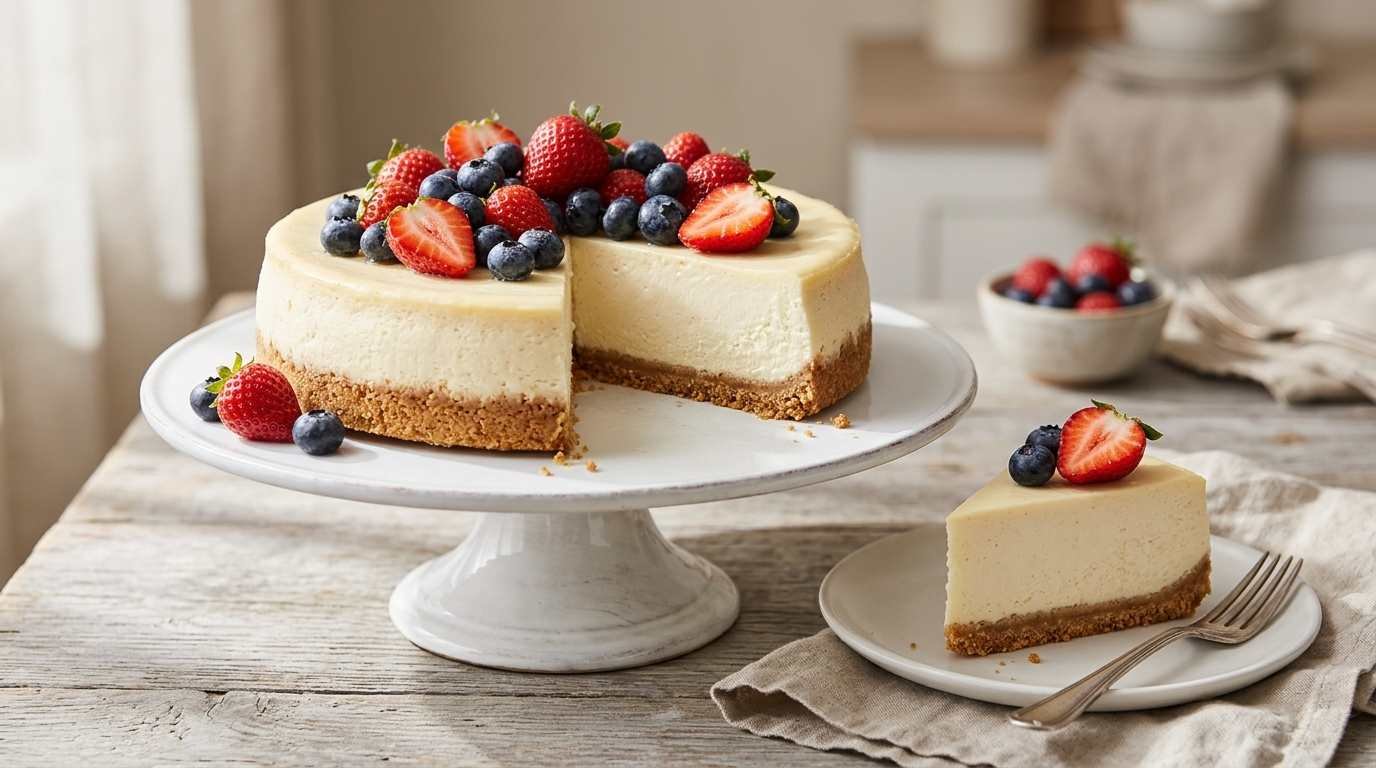

Cheesecake recipes with sweetened condensed milk offer a simple way to create a rich, creamy dessert without relying on complicated techniques or large amounts of added sugar. Sweetened condensed milk brings sweetness, a smooth consistency, and a velvety texture to cheesecake filling, making it an excellent ingredient for both baked and no-bake variations.
Whether we prefer a classic vanilla cheesecake, a refreshing lemon cheesecake, or a decadent chocolate version, sweetened condensed milk provides a convenient starting point for countless flavor combinations. It blends beautifully with cream cheese, complements a buttery graham cracker crust, and helps create a dessert that feels indulgent enough for celebrations yet simple enough for an ordinary weekend.
In this guide, we will explore an easy condensed milk cheesecake recipe, explain how to achieve the best texture, and share delicious variations, practical baking tips, and storage recommendations. With the right ingredients and a few straightforward steps, we can prepare a homemade cheesecake that looks beautiful and tastes wonderfully creamy.
Table of Contents
Why Use Sweetened Condensed Milk in Cheesecake?
Sweetened condensed milk is cow’s milk that has had much of its water removed and sugar added. The result is a thick, sweet dairy ingredient with a concentrated flavor and smooth consistency.
In cheesecake, it serves several purposes.
- Adds sweetness: Sweetened condensed milk provides most of the sweetness needed in many cheesecake recipes, reducing the need to measure and incorporate additional sugar.
- Creates a creamy filling: Its thick consistency contributes to a smooth, rich texture when blended with cream cheese.
- Simplifies preparation: We can achieve a delicious filling with a relatively short ingredient list.
- Balances tangy flavors: The sweetness complements the mild acidity of cream cheese, lemon juice, and other flavorful ingredients.
- Works in different recipes: It can be used in baked cheesecakes, no-bake cheesecakes, mini cheesecakes, and flavored variations.
However, sweetened condensed milk does not replace every ingredient in a traditional cheesecake. Cream cheese provides the characteristic cheesecake flavor and structure, while eggs help set a baked filling. No-bake recipes generally need refrigeration and may require whipped cream, gelatin, or another stabilizing ingredient to achieve a firm slice.
Understanding these differences helps us choose the right recipe for the texture we want.
Easy Cheesecake Recipe With Sweetened Condensed Milk
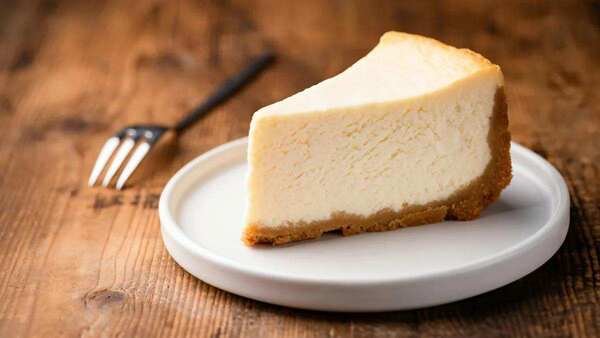
This classic baked cheesecake combines a buttery biscuit crust with a smooth cream cheese filling sweetened with condensed milk. A little lemon juice adds brightness without overpowering the rich dairy flavor.
It is an excellent starting point for beginners because the ingredients are easy to find, the preparation is straightforward, and the finished dessert can be decorated in many ways.
Ingredients for Condensed Milk Cheesecake
Preparation time: 20 minutes · Baking time: 45–60 minutes · Chilling time: At least 4 hours · Yield: 8–10 servings
For the crust
- 1½ cups (about 150 g) graham cracker crumbs or finely crushed digestive biscuits
- 5 tablespoons (70 g) unsalted butter, melted
- 1 tablespoon granulated sugar, optional
For the cheesecake filling
- 24 ounces (680 g) full-fat cream cheese, softened to room temperature
- 1 can (14 ounces or approximately 397 g) sweetened condensed milk
- 3 large eggs, at room temperature
- 2 tablespoons fresh lemon juice
- 1 teaspoon vanilla extract
- 1 tablespoon all-purpose flour, optional, for additional stability
Optional toppings
- Fresh strawberries, raspberries, or blueberries
- Homemade strawberry sauce
- Lemon zest
- Whipped cream
- Chocolate shavings
- Caramel sauce
Important: Use sweetened condensed milk rather than evaporated milk. Evaporated milk is unsweetened and has a much thinner consistency, so it will not produce the same results.
Step 1: Prepare the Cheesecake Crust
Preheat the oven to 325°F (163°C). Lightly grease a 9-inch (23 cm) springform pan and line the bottom with parchment paper if desired.
Place the graham cracker crumbs in a mixing bowl and add the melted butter. Stir until the crumbs are evenly moistened and resemble damp sand. If we prefer a slightly sweeter crust, we can mix in a tablespoon of sugar.
Transfer the mixture to the prepared pan. Press it firmly across the bottom using the back of a spoon or the flat bottom of a measuring cup. Pay particular attention to the edges, where loose crumbs can cause the crust to break when sliced.
Bake the crust for 8–10 minutes, then remove it from the oven and allow it to cool slightly.
Prebaking helps the crust hold together and creates a more defined contrast between the crisp base and creamy filling.
Step 2: Make the Cream Cheese Filling
Place the softened cream cheese in a large mixing bowl. Beat it on medium-low speed until smooth, scraping down the sides of the bowl as necessary.
Gradually pour in the sweetened condensed milk while mixing. Continue until the mixture looks creamy and uniform, without visible lumps.
Add the eggs one at a time, mixing on low speed after each addition. Avoid beating the mixture excessively, because incorporating too much air can cause the cheesecake to rise unevenly and crack as it cools.
Add the lemon juice and vanilla extract. If using flour, sift it into the mixture and mix just until incorporated.
The finished filling should be smooth, thick, and pourable, with a consistent pale cream color.
Step 3: Assemble the Cheesecake
Pour the filling over the cooled crust. Gently tap the pan against the countertop to release large air bubbles.
Smooth the surface with a spatula.
For extra protection against cracks, we can bake the cheesecake in a water bath. Wrap the outside of the springform pan securely in heavy-duty foil, place it in a larger roasting pan, and pour hot water into the roasting pan until it reaches approximately halfway up the sides of the cheesecake pan.
The foil must form a reliable seal to prevent water from entering the crust. Alternatively, placing a pan of hot water on a lower oven rack can provide additional humidity without immersing the cheesecake pan.
Step 4: Bake Until Just Set
Bake for approximately 45–60 minutes, checking the cheesecake toward the end of the cooking time. Actual baking time will depend on the oven, the pan, and the depth of the filling.
The edges should look set, while the center should retain a slight wobble when the pan is gently moved. It should not look liquid.
For a more reliable indication of doneness, the center should reach approximately 150°F (66°C) or the temperature recommended by a trusted recipe specifically developed for this style of cheesecake.
Avoid baking until the entire surface becomes firm. Residual heat will continue to cook the center after the cheesecake leaves the oven.
Step 5: Cool Gradually
Turn off the oven and leave the cheesecake inside with the door slightly open for approximately 30 minutes. This gradual cooling helps reduce the temperature difference between the filling and the surrounding air.
Remove the cheesecake and allow it to cool further at room temperature, away from direct heat.
Once it has cooled sufficiently, cover it and refrigerate for at least four hours. Overnight chilling is even better because it allows the filling to firm up and the flavors to develop.
Do not leave cheesecake at room temperature for more than two hours in total, or more than one hour when the temperature exceeds 90°F (32°C).
Step 6: Slice and Serve
Run a thin knife around the inside edge of the pan before releasing the springform sides.
For clean slices, dip a sharp knife in hot water, wipe it dry, and cut through the cheesecake. Clean the blade between slices.
Serve the cheesecake chilled, either plain or with fresh fruit, whipped cream, or a drizzle of sauce.
The finished dessert should have a buttery crust, a smooth filling, and a balanced flavor that combines the sweetness of condensed milk with the gentle tang of cream cheese.
No-Bake Cheesecake With Sweetened Condensed Milk
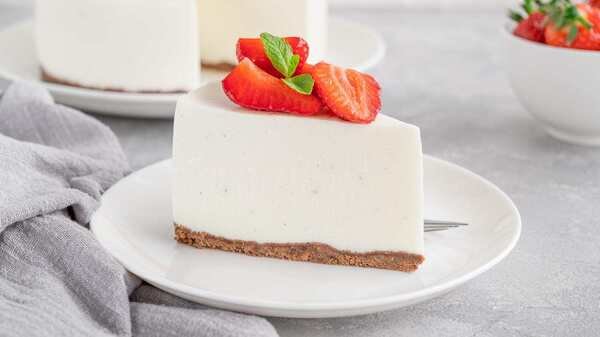
When we want cheesecake without turning on the oven, a no-bake version offers a convenient alternative. This style is especially useful during warm weather, for summer gatherings, or when we need to prepare dessert ahead of time.
However, a no-bake cheesecake needs a recipe designed to set without eggs or baking. Simply combining cream cheese and condensed milk will often produce a filling that remains too soft to slice neatly.
Ingredients
- 16 ounces (450 g) full-fat cream cheese, softened
- 1 can (14 ounces or 397 g) sweetened condensed milk
- 1 cup (240 ml) cold heavy whipping cream
- 2 tablespoons fresh lemon juice
- 1 teaspoon vanilla extract
For the crust, use 1½ cups graham cracker crumbs mixed with 6 tablespoons melted butter.
Preparation Instructions
1. Prepare the crust. Combine the crumbs and melted butter. Press the mixture into the bottom of a 9-inch springform pan and refrigerate while preparing the filling.
2. Beat the cream cheese. Mix the softened cream cheese until completely smooth. Add the condensed milk gradually, followed by the lemon juice and vanilla.
3. Whip the cream. In a separate chilled bowl, beat the heavy cream until it forms firm peaks. Avoid whipping it so much that it becomes grainy.
4. Fold the mixtures together. Gently fold the whipped cream into the cream cheese mixture in two or three additions. Use a spatula and work slowly to preserve the air in the cream.
5. Fill the pan. Spread the filling evenly over the chilled crust and smooth the top.
6. Refrigerate. Cover and chill for at least 8 hours, preferably overnight. The filling should become firm enough to cut into slices.
For the most reliable results, use a tested no-bake cheesecake formula if adding extra liquid ingredients or changing the cream-to-cheese ratio. Gelatin can also help stabilize a no-bake filling when a firmer texture is desired.
This version is lighter in texture than the baked recipe while remaining rich, creamy, and pleasantly sweet.
5 Delicious Cheesecake Variations With Condensed Milk
One of the greatest advantages of condensed milk cheesecake is how easily we can adapt the basic recipe. Small changes to the flavorings and toppings can create a completely different dessert without requiring an entirely new preparation method.
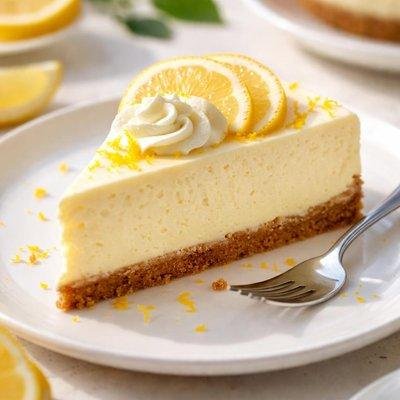
1. Lemon Cheesecake With Sweetened Condensed Milk
Lemon adds freshness to the richness of cream cheese and condensed milk. Add 2–3 tablespoons of fresh lemon juice and 1–2 teaspoons of finely grated lemon zest to the baked filling, adjusting the acidity to taste. Serve with thin lemon slices or a spoonful of lemon curd.
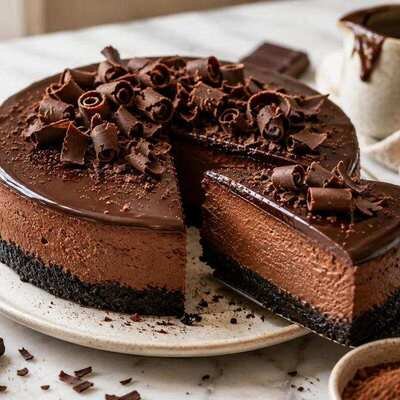
2. Chocolate Condensed Milk Cheesecake
For a chocolate version, fold approximately 150–200 g of melted, cooled chocolate into the cream cheese mixture before adding the eggs. Dark chocolate creates a deeper flavor that balances the sweetness of condensed milk. Finish with chocolate ganache or chocolate shavings.
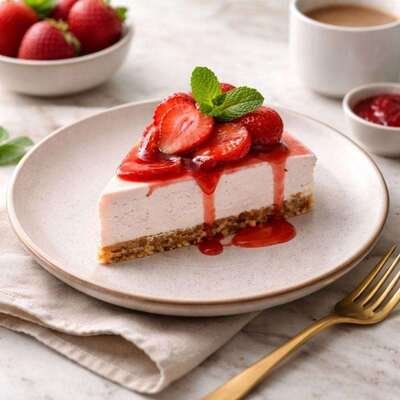
3. Strawberry Cheesecake
Fresh strawberries provide a fruity contrast to the creamy filling. Rather than adding too much fresh strawberry puree directly to the batter, which can change its consistency, use a thick strawberry sauce as a topping. Fresh sliced berries also make an attractive garnish.
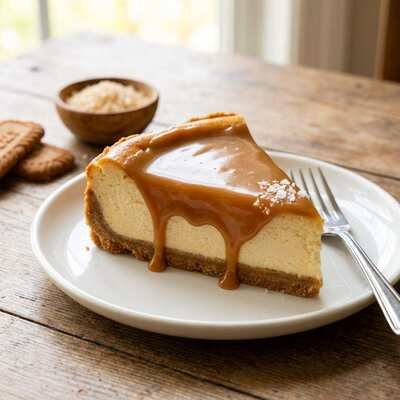
4. Caramel Cheesecake
Caramel sauce introduces buttery, toasted-sugar notes that complement condensed milk. Drizzle a small amount over each slice immediately before serving, then sprinkle with a pinch of flaky sea salt for a sweet-and-salty finish.
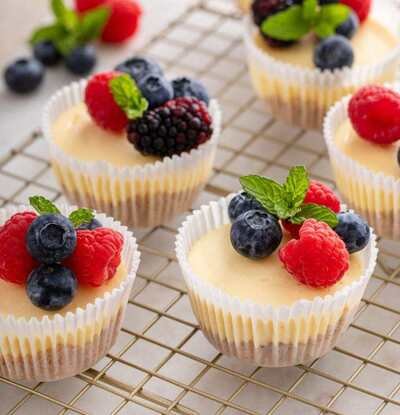
5. Mini Cheesecakes With Condensed Milk
Individual cheesecakes are ideal for parties, family dinners, and dessert tables. Divide the crust mixture among a lined muffin pan, press it down firmly, and add the filling. Bake at 325°F (163°C) for approximately 18–25 minutes, checking for set edges and slightly wobbly centers. Cool and chill before removing the liners.
How to Make the Best Condensed Milk Cheesecake
A successful cheesecake depends on more than the ingredients alone. Temperature, mixing technique, baking time, and cooling all influence the final texture.
Use Room-Temperature Cream Cheese
Cold cream cheese is difficult to blend smoothly and can leave small lumps in the filling. Remove it from the refrigerator approximately 30–60 minutes before preparation, depending on the room temperature.
The cream cheese should feel softened but should not be warm or melted.
Choose Full-Fat Cream Cheese
Full-fat cream cheese generally produces a richer, more stable filling than reduced-fat alternatives. Low-fat products can contain more water or have a different structure, which may affect the final consistency.
For the most consistent results, use block-style cream cheese when available rather than a soft, spreadable product intended for bagels.
Avoid Overmixing the Eggs
Once the eggs enter the filling, mix only until each one is incorporated.
Excessive mixing introduces air that expands during baking and contracts during cooling. This can cause cracks, uneven surfaces, and a texture that is less dense than expected.
Do Not Rush the Chilling Process
A cheesecake may appear cooked while still being too soft to slice. Refrigeration allows the filling to firm up, making serving easier and improving the overall texture.
For the cleanest slices, chill the cheesecake overnight whenever possible.
Use Acidity Carefully
Lemon juice adds brightness and helps balance sweetness. In some no-bake recipes, acid also contributes to thickening the dairy mixture, but it does not guarantee that a cheesecake will set firmly.
If we want to increase the lemon flavor, adding zest is often preferable to pouring in large amounts of additional juice, which can change the moisture balance.
Common Condensed Milk Cheesecake Problems and How to Fix Them
Even a straightforward cheesecake can develop problems if the proportions or preparation techniques are incorrect.
| Problem | Likely cause | How to prevent it |
|---|---|---|
| Lumpy filling | Cream cheese was too cold | Soften cream cheese before mixing |
| Cracked surface | Overbaking, excess air, or rapid cooling | Mix gently and cool gradually |
| Soft center | Underbaking or insufficient chilling | Check doneness and refrigerate thoroughly |
| Soggy crust | Excess butter or moisture entering the pan | Measure ingredients carefully and seal the pan for a water bath |
| Filling is too sweet | Sweetened condensed milk combined with additional sugar or very sweet toppings | Skip extra sugar and choose tart fruit |
| No-bake cheesecake will not set | Insufficient chilling or an unstable filling formula | Use full-fat cream cheese, whipped cream, and a tested ratio |
| Cheesecake sticks to the pan | The edges were not loosened before removing the ring | Run a thin knife around the edge first |
Why Is My Cheesecake Too Soft?
A soft cheesecake can result from several factors. A baked cheesecake may not have reached the correct degree of doneness, while a no-bake cheesecake may need more chilling time or a more stable recipe.
Excessive liquid from fruit puree, extra lemon juice, or other flavorings can also weaken the filling.
Before changing the recipe, allow the cheesecake to chill thoroughly. If it remains too soft, review the ingredient ratios and preparation method rather than simply adding more condensed milk.
Why Did My Cheesecake Crack?
Cracks usually develop when the cheesecake expands and contracts unevenly. Overbaking, excessive air in the filling, and sudden temperature changes can all contribute.
A water bath, gentle mixing, and gradual cooling help reduce the risk. If a crack still appears, there is no need to discard the dessert. A layer of fruit sauce, whipped cream, or chocolate ganache can cover the surface while adding flavor.
What Is the Best Crust for Condensed Milk Cheesecake?
The traditional graham cracker crust is popular because its lightly toasted flavor balances the sweet filling. However, other biscuit varieties work just as well.
- Digestive biscuits: These create a slightly malty, buttery crust that pairs beautifully with vanilla cheesecake.
- Graham crackers: Their mild sweetness makes them ideal for classic American-style cheesecake.
- Chocolate cookies: Chocolate sandwich cookies or chocolate wafer crumbs create a darker, richer base.
- Ginger biscuits: These add gentle spice and work especially well with lemon or caramel cheesecake.
- Gluten-free biscuits: Certified gluten-free cookies can be substituted when needed, provided the remaining ingredients are also suitable.
The ideal crust should hold together when pressed but should not feel greasy or excessively hard.
For a standard 9-inch cheesecake, approximately 1½ cups of fine crumbs combined with 5–6 tablespoons of melted butter is a useful starting point. Different biscuits absorb butter differently, so adjust the mixture until it resembles damp sand and holds its shape when squeezed.
How to Store Cheesecake Made With Sweetened Condensed Milk
Because cheesecake contains perishable dairy ingredients and often eggs, proper storage is essential.
Refrigerator Storage
Place the cooled cheesecake in an airtight container or cover it securely. Store it in the refrigerator at 40°F (4°C) or below and consume it within 3–4 days.
For the best flavor and texture, add delicate toppings such as fresh berries shortly before serving. This prevents the fruit from releasing excess moisture onto the surface.
Freezing Cheesecake
Baked cheesecake generally freezes well when properly wrapped.
Allow it to cool completely, then chill it until firm. Freeze the cheesecake whole or divide it into individual portions. Wrap each portion tightly in plastic wrap, followed by foil or a freezer-safe container.
For best quality, use frozen cheesecake within approximately 1–2 months. Thaw it overnight in the refrigerator before serving.
Freezing can slightly alter the texture of some no-bake cheesecakes, particularly those stabilized primarily with whipped cream, so results may vary by recipe.
Can Cheesecake Sit Out Overnight?
No. Cheesecake should not be left at room temperature overnight. Refrigerate it promptly after serving, and discard it if it has been at room temperature for more than two hours, or more than one hour in temperatures above 90°F (32°C).
Sweetened condensed milk is shelf-stable while unopened, but once incorporated into a cheesecake, the finished dessert requires refrigeration.
Frequently Asked Questions About Cheesecake Recipes With Sweetened Condensed Milk
Can We Make Cheesecake With Only Cream Cheese and Sweetened Condensed Milk?
We can combine these two ingredients to make a simple sweetened cream cheese filling, but the result may be too soft for a traditional cheesecake. A baked recipe generally needs eggs to set the filling, while a no-bake version needs an appropriate stabilizing method, sufficient chilling, or both.
A crust and suitable flavorings also help create a more complete cheesecake dessert.
Do We Need to Add Sugar to Condensed Milk Cheesecake?
Usually, no. Sweetened condensed milk already contains substantial added sugar and often provides all the sweetness needed for the filling.
Adding more sugar can make the finished dessert excessively sweet, particularly when we also use sweet biscuits, chocolate, caramel, or sugary toppings.
Can We Use Evaporated Milk Instead of Sweetened Condensed Milk?
Not as a direct substitute. Evaporated milk is unsweetened and has a thinner consistency, whereas sweetened condensed milk contains added sugar and is much thicker.
Replacing one with the other changes both the sweetness and the moisture balance, so a recipe specifically developed for evaporated milk would be necessary.
Can We Make Condensed Milk Cheesecake Without a Water Bath?
Yes. A water bath is helpful but not essential.
We can bake cheesecake directly in the oven, use moderate heat, avoid excessive mixing, and remove it when the center still has a slight wobble. Placing a separate pan of hot water on a lower oven rack may also help create a more humid baking environment.
How Long Should Condensed Milk Cheesecake Chill?
A baked cheesecake should chill for at least four hours, although overnight refrigeration usually produces better slicing results.
A no-bake cheesecake generally benefits from at least eight hours of chilling. Some recipes may require longer, especially when the filling is deep or the formulation relies on refrigeration alone to firm up.
Can We Make Cheesecake With Sweetened Condensed Milk Without Eggs?
Yes. A no-bake cheesecake can be prepared without eggs using cream cheese, sweetened condensed milk, whipped cream, and an appropriate setting method.
For a firmer result, some recipes use gelatin. The finished texture will differ from that of a traditional baked cheesecake, so the ingredients and proportions should follow a tested no-bake formula.
How Can We Make Condensed Milk Cheesecake Less Sweet?
Choose a tangy cream cheese, add a measured amount of lemon juice or zest, and serve the cheesecake with fresh raspberries, strawberries, or unsweetened whipped cream.
Avoid adding extra sugar to the crust and select toppings that provide acidity or bitterness rather than more sweetness. Dark chocolate and lightly toasted nuts can also create a more balanced flavor.
What Is the Best Way to Get Clean Cheesecake Slices?
Refrigerate the cheesecake until completely firm. Use a long, sharp knife warmed in hot water and wiped dry before each cut.
For especially neat slices, clean the knife between every cut and avoid pressing down too aggressively, which can compress the creamy filling and break the crust.
Suggested reads: Black Magic Cake: The Ultimate Super Spooky Dark Chocolate Cake, Gluten-Free Christmas Cake Recipe: A Festive Classic Reimagined
Final Thoughts on Cheesecake Recipes With Sweetened Condensed Milk
Cheesecake recipes with sweetened condensed milk make it possible to prepare a rich, satisfying dessert without complicated ingredients or unnecessarily difficult techniques. The condensed milk adds sweetness and creaminess, while cream cheese supplies the characteristic tang and structure that make cheesecake so appealing.
A classic baked cheesecake is an excellent choice when we want a dense, smooth filling and a buttery biscuit crust. A no-bake version offers a convenient alternative when we prefer a chilled dessert with minimal oven time. Both can be adapted with lemon, chocolate, strawberries, caramel, or other favorite flavors.
For the best results, use room-temperature cream cheese, measure ingredients carefully, avoid overmixing, and allow sufficient time for cooling and refrigeration. These simple steps help produce a cheesecake that slices neatly, tastes balanced, and looks beautiful on the table.
Whether we prepare it for a birthday, a family gathering, a holiday meal, or an ordinary afternoon treat, homemade condensed milk cheesecake is a versatile dessert worth adding to our recipe collection.






Leave a Reply