
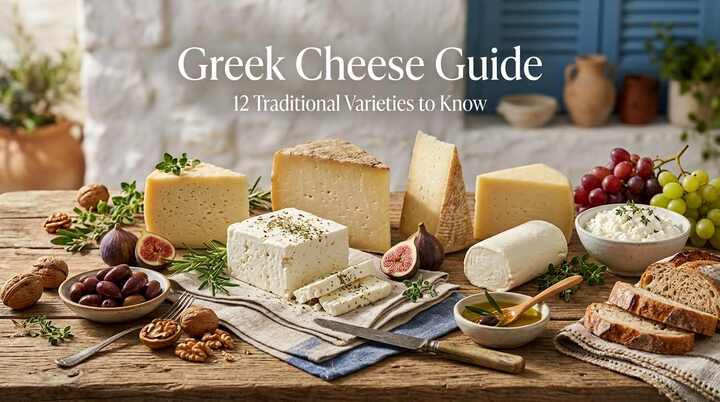

Greek cheese is an essential part of Mediterranean cuisine, celebrated for its distinctive flavors, traditional production methods, and remarkable variety. From the salty, crumbly texture of Feta to the rich, buttery taste of Graviera, Greek cheeses bring character to salads, pastries, grilled dishes, and everyday meals.
Made primarily from sheep’s milk, goat’s milk, or a combination of the two, traditional Greek cheeses reflect the country’s diverse landscapes, regional traditions, and centuries-old cheesemaking heritage. Some are aged to develop complex flavors, while others are enjoyed fresh for their creamy consistency and delicate taste.
Whether we are exploring Greek cuisine for the first time, preparing an authentic Mediterranean meal, or looking for new cheeses to add to our kitchen, understanding the different varieties helps us appreciate what makes Greek cheese so distinctive.
Table of Contents
What Makes Greek Cheese Special?
Greek cheese stands out because of its connection to local ingredients, traditional techniques, and regional identity. Greece’s mountainous terrain, Mediterranean climate, and diverse vegetation create different conditions for raising sheep and goats. The milk produced by these animals contributes to the distinctive character of many Greek cheeses.
Sheep’s milk is particularly important in Greek cheesemaking. It generally contains more fat and protein than cow’s milk, making it suitable for producing cheeses with rich flavors and satisfying textures. Goat’s milk adds a characteristic tanginess and is frequently blended with sheep’s milk.
Greek cheesemakers also produce a variety of cheeses using cow’s milk, particularly in certain regions and in modern commercial production.
Traditional production methods include salting, pressing, draining, brining, and aging. The precise combination depends on the cheese, with some varieties requiring months of maturation to develop their characteristic flavor.
Another important feature is Greece’s protected food heritage. Several Greek cheeses hold Protected Designation of Origin (PDO) status within the European Union. This designation links a product to a specific geographical area and establishes requirements for its production.
1. Feta: Greece’s Most Famous Cheese
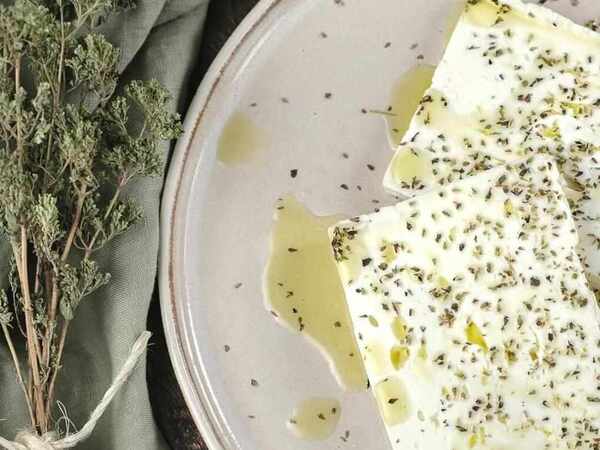
Feta is arguably the most recognizable Greek cheese. It is a white, brined cheese traditionally made from sheep’s milk or a mixture of sheep’s milk and up to 30% goat’s milk under the Greek PDO specification.
Its flavor is salty, tangy, and slightly acidic, with a creamy yet crumbly texture. Depending on its maturation and moisture content, feta can range from relatively firm to soft and delicate.
Feta is commonly sold in blocks stored in brine. Keeping it submerged in its original brine helps preserve its moisture and characteristic flavor.
How to Use Feta Cheese
Feta is one of the most versatile ingredients in Greek cooking. We can crumble it over a traditional Greek salad, combine it with tomatoes and cucumbers, or serve it with olives, olive oil, and fresh herbs.
It is also widely used in baked dishes. Spanakopita, the traditional Greek spinach pie, combines feta with spinach and flaky pastry. Tyropita, another popular savory pie, features a cheese filling that often includes feta.
Feta can also be baked with tomatoes, roasted vegetables, or peppers. Its salty flavor balances sweet ingredients such as watermelon and ripe figs.
Best uses: Greek salads, savory pastries, baked dishes, vegetable bowls, and Mediterranean appetizers.
2. Halloumi: The Cheese That Holds Its Shape on the Grill
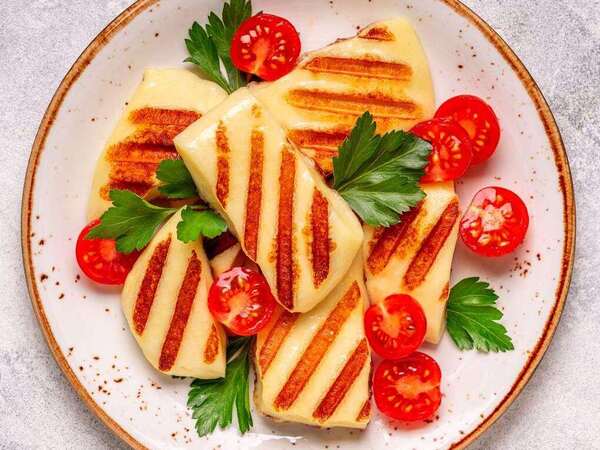
Halloumi is widely associated with Cyprus rather than Greece, although it is popular throughout Greek cuisine and the wider Mediterranean region. It deserves a place in a Greek cheese guide because of its popularity in Mediterranean cooking.
Traditionally made from sheep’s milk, goat’s milk, or a mixture, halloumi has a firm, elastic texture and a salty, milky flavor.
Its defining characteristic is its high melting resistance. Unlike many other cheeses, halloumi softens when heated without immediately losing its shape.
This makes it particularly suitable for grilling, frying, and roasting.
How to Cook Halloumi
To prepare halloumi, we can slice it into thick pieces and grill them until the surface develops a golden crust. The inside becomes warm and tender while retaining its distinctive firmness.
Halloumi works well in salads, sandwiches, vegetable skewers, and Mediterranean grain bowls. A squeeze of lemon juice can brighten its salty flavor.
Although halloumi is often served as a standalone appetizer, it can also replace meat in certain vegetarian dishes.
Best uses: Grilling, pan-frying, sandwiches, salads, and vegetarian meals.
3. Graviera: A Rich and Nutty Greek Cheese
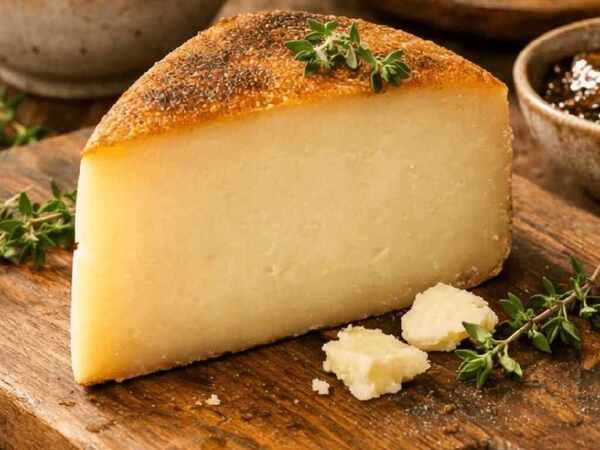
Graviera is one of Greece’s most popular hard cheeses. It is typically made from sheep’s milk, although some varieties contain goat’s milk or cow’s milk.
Its flavor is generally mild, buttery, and slightly sweet, with nutty notes that become more pronounced as the cheese matures. The texture is firm enough for slicing and grating but can remain pleasantly smooth when eaten on its own.
Several regional varieties exist, including Graviera Naxou and Graviera Kritis. Their differences reflect variations in milk, production techniques, and maturation.
Graviera Naxou
Graviera Naxou, produced on the Cycladic island of Naxos, is made primarily from cow’s milk. It is known for its mild, buttery flavor and smooth texture.
It is an excellent choice for cheese boards, sandwiches, and baked dishes.
Graviera Kritis
Graviera Kritis, from Crete, is traditionally associated with sheep’s milk and may include goat’s milk. It often has a richer, more pronounced flavor.
The cheese is commonly served in slices, grated over pasta, or incorporated into traditional Cretan dishes.
How to Use Graviera
Graviera can be enjoyed as a table cheese, grated over pasta, or melted into baked dishes. It also works beautifully alongside honey, grapes, walnuts, and crusty bread.
Best uses: Cheese boards, pasta, sandwiches, gratins, and traditional Greek snacks.
4. Kefalotyri: A Salty, Hard Cheese for Cooking
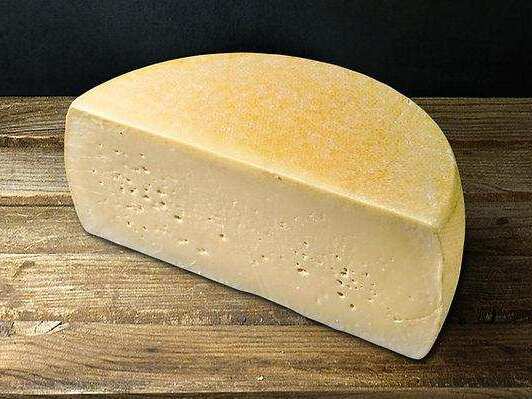
Kefalotyri is a traditional hard Greek cheese made from sheep’s milk, goat’s milk, or a mixture of both.
It has a firm texture, a pronounced salty flavor, and a savory finish. Its intensity makes it particularly useful in dishes where cheese needs to contribute a strong, distinctive taste.
Kefalotyri is often aged until it develops a harder consistency suitable for grating or slicing.
The Best Ways to Enjoy Kefalotyri
One of its most famous uses is saganaki, a dish in which a suitable cheese is fried until golden on the outside while remaining soft inside.
Kefalotyri is also grated over pasta, added to savory pies, or served with bread and olives.
Because it is naturally salty, we should taste a dish before adding extra salt when cooking with this cheese.
Best uses: Saganaki, pasta, savory pies, and traditional appetizers.
5. Kasseri: A Smooth and Mild Greek Cheese
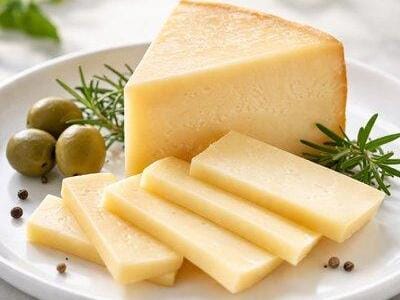
Kasseri is a semi-hard Greek cheese traditionally made primarily from sheep’s milk, sometimes with a small proportion of goat’s milk.
It has a pale yellow color, a smooth texture, and a mild, buttery flavor with a gentle tang. Compared with feta or kefalotyri, kasseri is less crumbly and has a more elastic consistency.
Its ability to melt makes it a useful ingredient in hot sandwiches, baked dishes, and savory pastries.
Cooking With Kasseri
Kasseri can be sliced for sandwiches, layered into toasted bread, or incorporated into baked pasta dishes.
It is also suitable for cheese pies and other traditional recipes where a smooth, cohesive cheese filling is desirable.
For a simple appetizer, we can serve kasseri with olives, tomatoes, and fresh bread.
Best uses: Toasted sandwiches, cheese pies, baked dishes, and appetizers.
6. Manouri: A Creamy and Delicate Greek Cheese
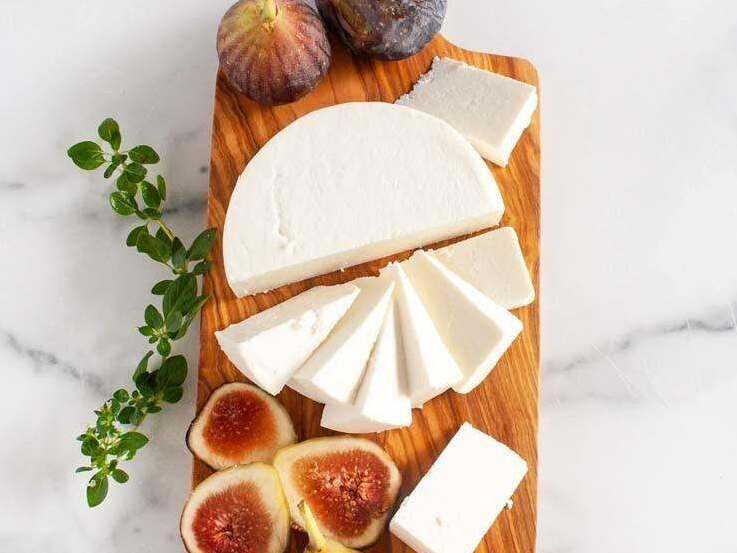
Manouri is a soft, fresh Greek cheese traditionally made from the whey left over during the production of cheeses such as feta. Cream is added to enrich its texture and flavor.
The result is a creamy, delicate cheese with a mild, slightly tangy taste. It is less salty than feta and has a richer mouthfeel.
Manouri is particularly popular in central and northern Greece, where it is enjoyed in both sweet and savory preparations.
Sweet and Savory Uses for Manouri
Manouri pairs naturally with honey, fresh figs, grapes, and nuts. It can be served as part of a breakfast spread or incorporated into a simple dessert.
For savory dishes, it works well in salads, vegetable preparations, and baked recipes.
We can also lightly grill or pan-sear thick slices, allowing the exterior to develop a delicate golden crust.
Best uses: Desserts, breakfast dishes, salads, fruit pairings, and light appetizers.
7. Mizithra: A Traditional Whey Cheese
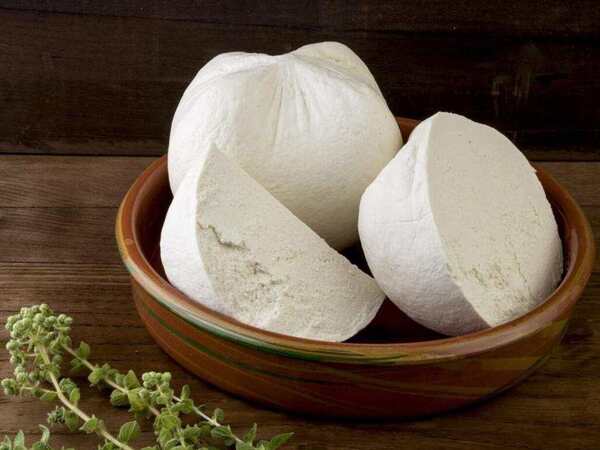
Mizithra is a traditional Greek whey cheese made using the whey remaining from the production of other cheeses, often with the addition of sheep’s or goat’s milk.
It comes in different forms, ranging from soft and fresh to hard and aged.
Fresh mizithra is soft, moist, and mildly flavored. Its delicate taste makes it suitable for pastries, spreads, and desserts.
Aged mizithra becomes firmer, drier, and more concentrated in flavor. This version is frequently grated over pasta.
Fresh Mizithra
Fresh mizithra has a texture that can resemble ricotta, although its flavor and production methods differ.
It is used in cheese pies, pastries, and traditional Greek sweets. It can also be combined with honey for a simple dessert.
Aged Mizithra
Aged mizithra is a useful alternative to other hard grating cheeses. Its savory flavor complements pasta, roasted vegetables, and traditional Cretan dishes.
Best uses: Pasta, pastries, desserts, spreads, and savory fillings.
8. Anthotyro: A Light and Mild Greek Cheese
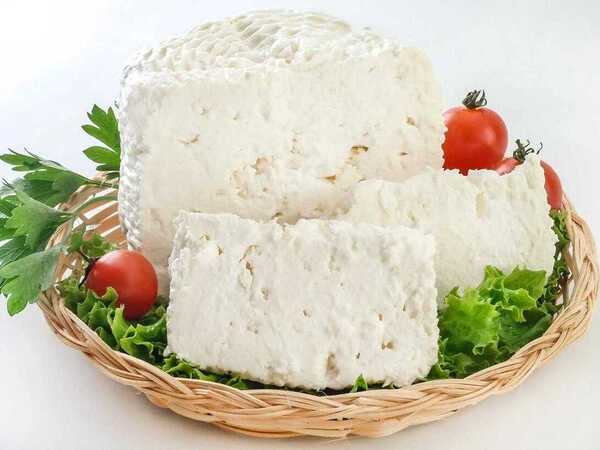
Anthotyro is a traditional Greek whey cheese produced from sheep’s milk, goat’s milk, or a combination, depending on the variety.
The name is associated with a delicate, flower-like character, and the cheese is known for its mild taste.
Fresh anthotyro is soft, moist, and relatively light in flavor. Dried anthotyro is firmer and more suitable for grating.
How to Serve Anthotyro
Fresh anthotyro can be spread on bread or served with tomatoes, cucumbers, and olive oil.
It also works well in salads and light meals where a delicate cheese is preferred over a salty, strongly flavored variety.
Dried anthotyro can be grated over pasta or used to add a subtle savory note to cooked dishes.
Best uses: Bread spreads, salads, pasta, breakfast dishes, and light meals.
9. Metsovone: A Distinctive Smoked Greek Cheese
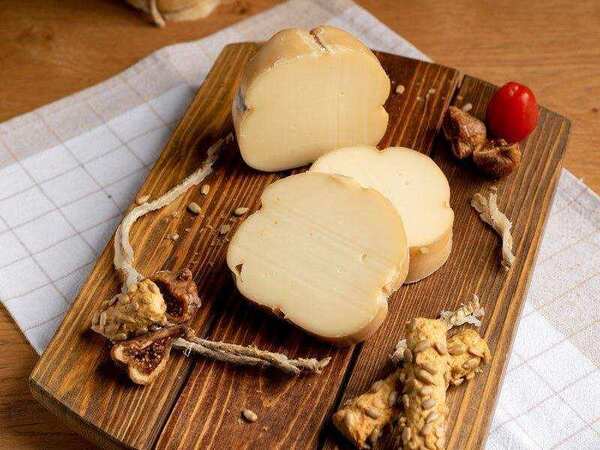
Metsovone is a traditional smoked cheese associated with Metsovo, a mountain town in the Epirus region of northwestern Greece.
Unlike many traditional Greek cheeses made primarily from sheep’s or goat’s milk, Metsovone is made from cow’s milk or a mixture of cow’s, sheep’s, and goat’s milk according to its production specifications.
It has a firm, elastic texture and a distinctive smoky flavor.
The smoking process gives Metsovone a character that sets it apart from milder Greek cheeses. Its flavor works particularly well in cooked dishes, where its smoky notes can complement vegetables, bread, and other ingredients.
Cooking With Metsovone
Metsovone can be sliced for sandwiches, served on a cheese board, or incorporated into baked dishes.
It is particularly suitable for toasted sandwiches and warm appetizers. A small amount can provide a noticeable smoky flavor without overwhelming the other ingredients.
Best uses: Sandwiches, appetizers, cheese boards, and baked dishes.
10. Formaella: A Traditional Cheese From Arachova
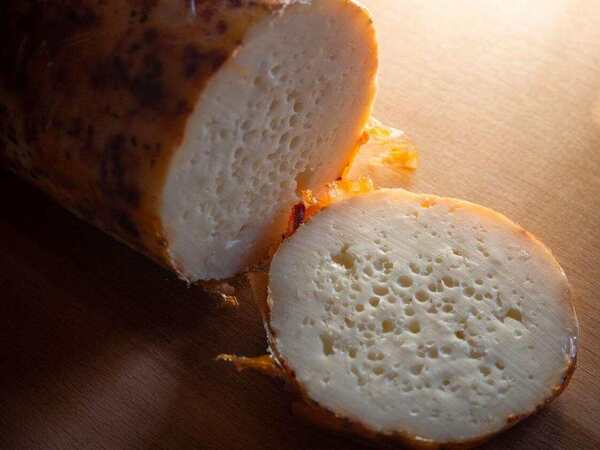
Formaella is a traditional Greek cheese associated with Arachova, a mountainous town near Mount Parnassus.
It is made from sheep’s milk, goat’s milk, or a mixture of the two. The cheese has a firm texture and a rich, savory flavor.
Formaella is particularly well suited to grilling and frying. When heated, it develops a golden exterior while retaining a satisfying texture.
How to Serve Formaella
Formaella can be grilled and served with lemon juice, herbs, and fresh bread.
It also makes a flavorful addition to Mediterranean appetizer platters, especially when paired with olives, roasted peppers, and tomatoes.
Best uses: Grilling, frying, appetizers, and traditional regional dishes.
11. Xynomyzithra: A Tangy Cheese From Crete
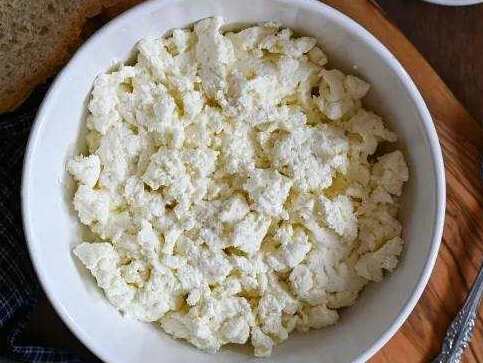
Xynomyzithra is a traditional Cretan cheese known for its distinctive sour flavor. The name combines references to its acidity and its relationship to mizithra-style whey cheeses.
It is generally soft and creamy, with a moist texture and a pronounced tanginess.
Xynomyzithra is especially associated with Cretan cuisine, where it appears in salads, pastries, and traditional regional dishes.
How to Enjoy Xynomyzithra
One of its best-known uses is in Cretan dakos, a dish made with barley rusks, ripe tomatoes, olive oil, and cheese.
Its acidity balances the sweetness of tomatoes and the richness of olive oil.
It can also be used in savory pies or served with vegetables and fresh bread.
Best uses: Dakos, salads, savory pies, and traditional Cretan meals.
12. Anevato: A Soft Cheese From Northern Greece
Anevato is a traditional soft cheese associated with the Grevena region of northern Greece.
It is made primarily from sheep’s milk or a mixture of sheep’s and goat’s milk. Its texture is soft and creamy, while its flavor is fresh, mildly acidic, and slightly tangy.
Anevato is often enjoyed as a table cheese, particularly alongside bread and other simple ingredients.
Ways to Use Anevato
Anevato can be spread on bread, served with vegetables, or incorporated into traditional savory pies.
Its creamy consistency makes it suitable for simple preparations in which the cheese itself remains the main attraction.
Best uses: Bread spreads, savory pastries, salads, and traditional regional dishes.
Greek Cheese Comparison: Flavor, Texture, and Uses
The following table provides a quick overview of the main Greek cheeses and how we can use them in everyday cooking.
| Greek Cheese | Flavor | Texture | Best Uses |
|---|---|---|---|
| Feta | Salty, tangy | Crumbly, creamy | Salads, pies, baking |
| Halloumi | Salty, milky | Firm, elastic | Grilling, frying |
| Graviera | Buttery, nutty | Semi-hard to hard | Cheese boards, pasta |
| Kefalotyri | Salty, savory | Hard | Saganaki, grating |
| Kasseri | Mild, buttery | Semi-hard | Sandwiches, baking |
| Manouri | Creamy, delicate | Soft | Desserts, salads |
| Mizithra | Mild to savory | Soft or hard | Pasta, pastries |
| Anthotyro | Mild, fresh | Soft or firm | Spreads, salads |
| Metsovone | Smoky, savory | Firm, elastic | Sandwiches, baking |
| Formaella | Rich, savory | Firm | Grilling, frying |
| Xynomyzithra | Sour, tangy | Soft, creamy | Dakos, salads |
| Anevato | Fresh, tangy | Soft | Spreads, pies |
How to Choose the Right Greek Cheese
Choosing the right Greek cheese depends on the dish, the desired texture, and how intense we want the flavor to be.
For Greek Salads
Feta is the traditional choice for Greek salad. Its salty, tangy flavor complements tomatoes, cucumbers, red onions, olives, and olive oil.
For a variation, we can use small amounts of manouri for a creamier texture or graviera for a milder, nuttier flavor.
For Grilling and Frying
Halloumi and Formaella are suitable choices when we want cheese that holds its shape during cooking.
Kefalotyri can also be used for saganaki, provided the piece is suitable for frying.
For Pasta and Grating
Aged mizithra and kefalotyri are useful for adding a concentrated savory flavor to pasta.
Graviera can also be grated over baked pasta, roasted vegetables, and other Mediterranean dishes.
For Baking
Feta, kasseri, graviera, and mizithra can all be used in baked recipes, although their different moisture levels and melting properties affect the final result.
For spinach pies, feta is a classic choice. Kasseri and graviera can contribute a smoother, richer filling.
For Desserts
Manouri and fresh mizithra are particularly suitable for sweet preparations.
We can combine them with honey, fruit, nuts, or pastry to create desserts inspired by Greek culinary traditions.
What Is the Difference Between Greek Feta and Other White Cheeses?
Although many countries produce white brined cheeses, Greek feta has specific characteristics that distinguish it from other varieties.
Authentic Greek PDO feta is made from sheep’s milk or a mixture of sheep’s milk and up to 30% goat’s milk. It is matured in brine and has a characteristic salty, tangy flavor.
Other white cheeses may be made from cow’s milk and can have different textures, acidity levels, and production methods.
For shoppers, the PDO designation is a useful indicator when looking for feta produced according to the protected Greek specification.
However, not every white cheese sold as a feta-style cheese is authentic Greek PDO feta. Checking the label helps us understand the product’s origin and ingredients.
Are Greek Cheeses Healthy?
Greek cheeses can contribute protein, calcium, and other nutrients to a balanced diet. Their nutritional composition varies considerably depending on the type of milk, moisture content, fat level, and production method.
Hard cheeses often contain more concentrated nutrients per gram because they contain less water. Fresh cheeses generally have higher moisture content, which affects their nutritional density.
Some Greek cheeses, particularly feta and kefalotyri, can contain substantial amounts of sodium because of salting and brining.
For this reason, portion size and the overall composition of a meal matter. We can enjoy Greek cheese alongside vegetables, legumes, whole grains, and other Mediterranean ingredients.
People who need to limit sodium or saturated fat can compare nutrition labels and choose portions that fit their individual dietary requirements.
How to Store Greek Cheese Properly
Proper storage helps preserve the flavor, texture, and quality of Greek cheese.
Store Feta in Brine
Feta is best kept refrigerated in its original brine and sealed container. The brine helps maintain its moisture and characteristic texture.
If the cheese is removed from its brine, it may dry out more quickly. We should follow the storage instructions on the package and avoid leaving it at room temperature for extended periods.
Wrap Hard and Semi-Hard Cheeses
Graviera, kefalotyri, and kasseri should be refrigerated and protected from excessive air exposure.
Cheese paper or suitable food wrapping can help prevent the surface from drying out while allowing some moisture regulation.
Keep Fresh Cheeses Refrigerated
Manouri, fresh mizithra, anthotyro, and other soft cheeses are more perishable than many aged varieties.
They should be stored in the refrigerator, handled with clean utensils, and consumed within the period indicated on the packaging.
When purchasing cheese from a deli, we should ask about its production date, storage conditions, and recommended consumption period.
How to Build a Greek Cheese Board
A Greek cheese board offers an easy way to explore different textures and flavors in one meal.
We can begin with three or four cheeses that provide contrast rather than choosing several varieties with nearly identical characteristics.
For example, a balanced selection might include:
- Feta: A salty, tangy cheese with a crumbly texture.
- Graviera: A buttery, nutty cheese for slicing.
- Manouri: A creamy cheese that provides a mild contrast.
- Kefalotyri: A hard, savory cheese with a pronounced flavor.
Add Kalamata olives, fresh grapes, figs, walnuts, honey, crusty bread, and extra-virgin olive oil.
For a more substantial spread, include roasted peppers, cherry tomatoes, cucumber slices, and traditional Greek rusks.
Serving the cheeses at a cool room temperature, where appropriate for food safety, can help their aromas and textures become more noticeable. Follow the storage and serving guidance for fresh and perishable varieties.
Final Thoughts on Greek Cheese
Greek cheese offers an extraordinary range of flavors, textures, and culinary possibilities. From the familiar tang of feta to the smoky character of Metsovone, each variety reflects a different part of Greece’s food culture.
By exploring cheeses such as Graviera, Kefalotyri, Kasseri, Manouri, Mizithra, and Formaella, we can bring more variety to our meals while discovering the regional traditions behind these distinctive products.
Whether we are preparing a traditional Greek salad, making a savory pie, grilling cheese for an appetizer, or assembling a Mediterranean cheese board, the right variety can transform a simple dish.
The best way to explore Greek cheese is to taste different varieties, compare their textures and flavors, and discover which ones work best in our favorite recipes.
Frequently Asked Questions About Greek Cheese
What Is the Most Famous Greek Cheese?
Feta is the most internationally recognized Greek cheese. Its salty, tangy flavor and crumbly texture make it a central ingredient in Greek salads, savory pies, and Mediterranean cooking.
What Greek Cheese Is Best for Grilling?
Halloumi and Formaella are popular choices because they can retain their shape when heated. Their firm textures make them suitable for grilling or pan-frying.
Which Greek Cheese Is Similar to Parmesan?
Aged mizithra and kefalotyri can serve similar culinary purposes because they are firm, flavorful cheeses that can be grated over pasta. Their flavors differ from Parmesan, but both provide a savory finish.
Is Halloumi a Greek Cheese?
Halloumi is traditionally associated with Cyprus, where it has a long-established cheesemaking history. It is widely enjoyed in Greece and throughout the Mediterranean, but it should not be confused with cheeses originating specifically in Greece.
What Is the Creamiest Greek Cheese?
Manouri is particularly creamy because cream is added during production. Fresh mizithra and anthotyro can also have soft, delicate textures.
Which Greek Cheeses Are Made From Sheep’s Milk?
Many traditional Greek cheeses use sheep’s milk, including feta, graviera, kefalotyri, kasseri, and certain varieties of mizithra and anthotyro. Some varieties also contain goat’s milk, and production methods differ by region.
Can We Substitute Feta for Other Greek Cheeses?
Feta can replace some cheeses in salads, savory pastries, and baked dishes, but it is not suitable for every recipe.
Its saltiness, moisture, and crumbly texture differ from those of hard cheeses such as graviera and kefalotyri. For grilling, a cheese designed to withstand heat is usually more appropriate.







Leave a Reply