
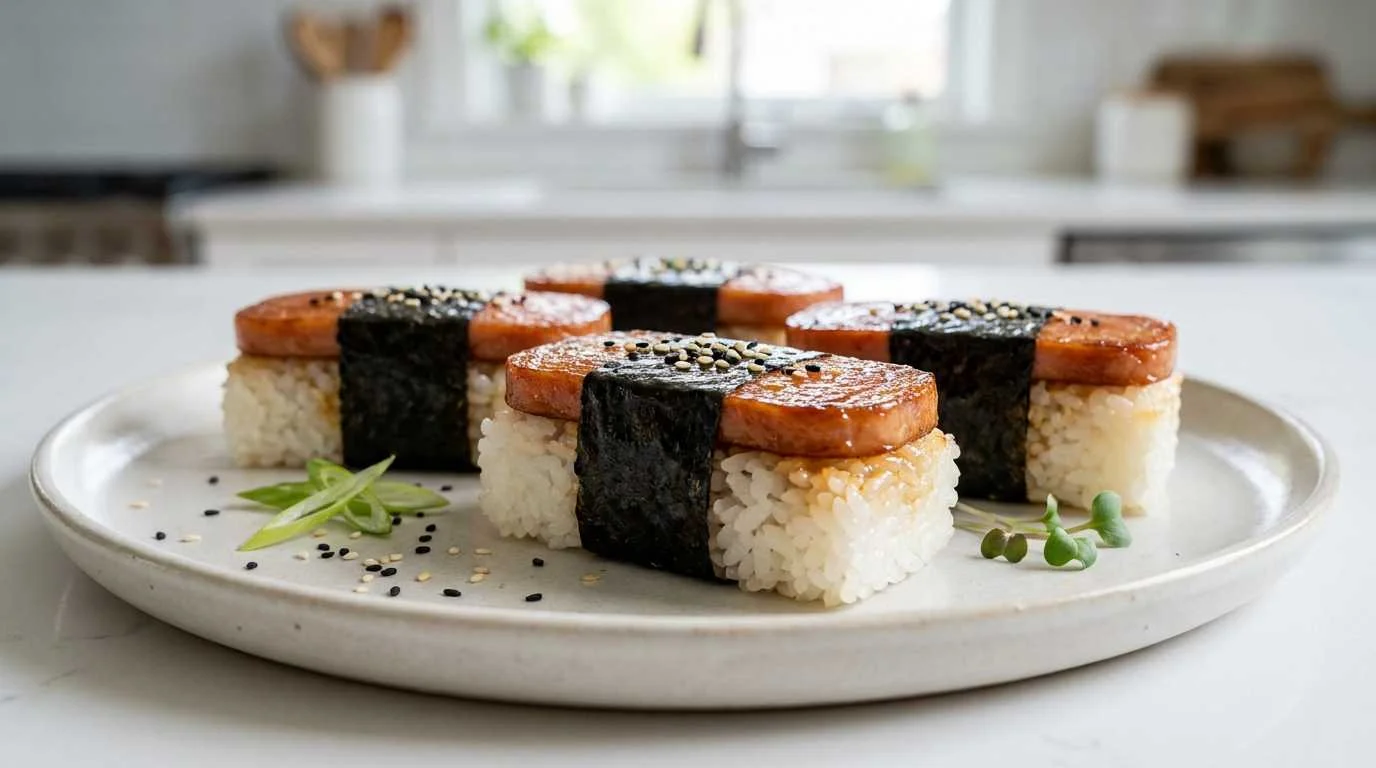

Spam musubi is a simple, satisfying snack made with seasoned Spam, warm sushi-style rice, and nori seaweed. It’s savory, slightly sweet, salty, chewy, and wonderfully easy to prepare at home.
This popular Hawaiian-inspired snack combines a few inexpensive ingredients into something that works beautifully for breakfast, lunch, an afternoon snack, picnics, parties, and packed meals.
The beauty of a good Spam musubi recipe is its balance. The Spam brings rich, salty flavor, the rice provides a mild and filling base, the nori adds an earthy umami note, and a sweet-savory glaze ties everything together.
The recipe below focuses on getting those proportions right while keeping the preparation straightforward.
Table of Contents
What Is Spam Musubi?
Spam musubi is a handheld snack consisting of a slice of cooked Spam layered over or between seasoned rice and wrapped with a strip of nori.
It became especially popular in Hawaii, where Spam has been incorporated into local food culture in countless ways. Musubi itself is related to Japanese onigiri, but Spam musubi developed into its own recognizable Hawaiian-style snack.
Unlike traditional sushi, Spam musubi doesn’t require raw fish or complicated rolling techniques. There’s no need for specialized sushi-making skills.
The basic process is simple:
- Cook and season the Spam.
- Prepare short- or medium-grain rice.
- Shape the rice into compact blocks.
- Add the glazed Spam.
- Wrap the musubi with nori.
- Serve warm or at room temperature.
The result is a portable snack with plenty of flavor and texture.
Why This Spam Musubi Recipe Works
A great Spam musubi depends less on complicated ingredients and more on proper proportions, texture, and seasoning.
Spam is naturally salty, so the glaze should provide sweetness and depth without making the finished musubi overwhelmingly salty.
The rice should be sticky enough to hold together but not wet or mushy. Short-grain rice is particularly useful because its natural starch helps the shaped rice stay intact.
Finally, the nori should provide enough structure to hold the musubi together without completely overpowering the other ingredients.
The combination creates three distinct textures: tender rice, caramelized Spam, and crisp or slightly chewy seaweed.
Spam Musubi Ingredients
For approximately 8 Spam musubi, gather the following:
For the Musubi
- 1 can Spam, approximately 12 ounces
- 4 cups cooked short-grain or medium-grain white rice
- 2–3 sheets roasted nori
- 1 tablespoon neutral cooking oil
For the Sweet-Savory Glaze
- 3 tablespoons soy sauce
- 2 tablespoons brown sugar
- 1 tablespoon mirin
- 1 teaspoon sesame oil
- 1 teaspoon rice vinegar
- 1 teaspoon grated fresh ginger, optional
- 1 small garlic clove, finely grated, optional
The glaze can be adjusted according to taste. For a sweeter Spam musubi, increase the brown sugar slightly. For a deeper savory flavor, add a little more soy sauce.
Because Spam already contains considerable sodium, avoid adding extra salt unless absolutely necessary.
How to Make Spam Musubi
1. Prepare the Rice
Begin with freshly cooked short-grain or medium-grain white rice.
The rice should be tender and slightly sticky. Avoid rinsing away too much starch if your rice variety naturally needs that starch for cohesion, but follow the cooking instructions appropriate for the specific rice you are using.
Once cooked, allow the rice to cool just enough to handle.
It should remain warm rather than becoming completely cold and dry.
Warm rice is easier to shape because the grains naturally cling together.
2. Slice the Spam
Remove the Spam from the can and cut it into approximately 8 even slices.
Aim for slices around ¼ inch thick.
Thicker slices produce a meatier musubi, while thinner slices create a better rice-to-Spam ratio for lighter snacks.
Try to keep the slices as uniform as possible so they cook evenly.
3. Make the Glaze
Combine the soy sauce, brown sugar, mirin, sesame oil, rice vinegar, and optional ginger and garlic in a small bowl.
Stir until the brown sugar begins to dissolve.
Set the glaze aside while the Spam cooks.
4. Brown the Spam
Heat a large skillet over medium heat and add the neutral cooking oil.
Place the Spam slices into the hot skillet without overcrowding the pan.
Cook for approximately 2–3 minutes per side, or until the edges become golden brown and lightly crisp.
This step is important.
While Spam can be eaten straight from the can after heating, browning it creates a more appealing texture and develops deeper savory flavors.
5. Add the Glaze
Lower the heat slightly and pour the prepared glaze over the browned Spam.
Turn each slice several times so the sauce coats both sides.
Allow the glaze to simmer for approximately 1–2 minutes, until it thickens and clings to the Spam.
Watch carefully during this stage because the sugar can caramelize quickly.
The finished slices should look glossy and deeply seasoned rather than covered in a thin, watery sauce.
6. Shape the Rice
Traditionally, a musubi mold makes shaping easier, but it isn’t essential.
If using a mold, place it on a clean surface and fill it with warm rice.
Press the rice firmly enough to form a compact rectangle, but don’t crush it into a dense block.
If you don’t have a musubi mold, shape the rice by hand.
Wet your hands slightly with water to prevent sticking, then form compact rectangular portions approximately the same size as the Spam slices.
The rice should be firm enough to hold together when picked up.
7. Assemble the Spam Musubi
Place one glazed Spam slice on top of each rice rectangle.
Cut the nori into strips approximately 1½–2 inches wide.
Wrap a strip of nori around the center of each musubi, using a small amount of water to help seal the ends if necessary.
Press gently so everything stays together.
Avoid wrapping the nori too tightly, as excessive pressure can cause the rice to break apart.
8. Serve
Spam musubi can be enjoyed immediately while the rice and Spam are warm.
For the best texture, serve it the same day.
The nori will gradually soften as it absorbs moisture from the rice, so if you prefer a slightly crisp seaweed texture, wrap the musubi shortly before serving.
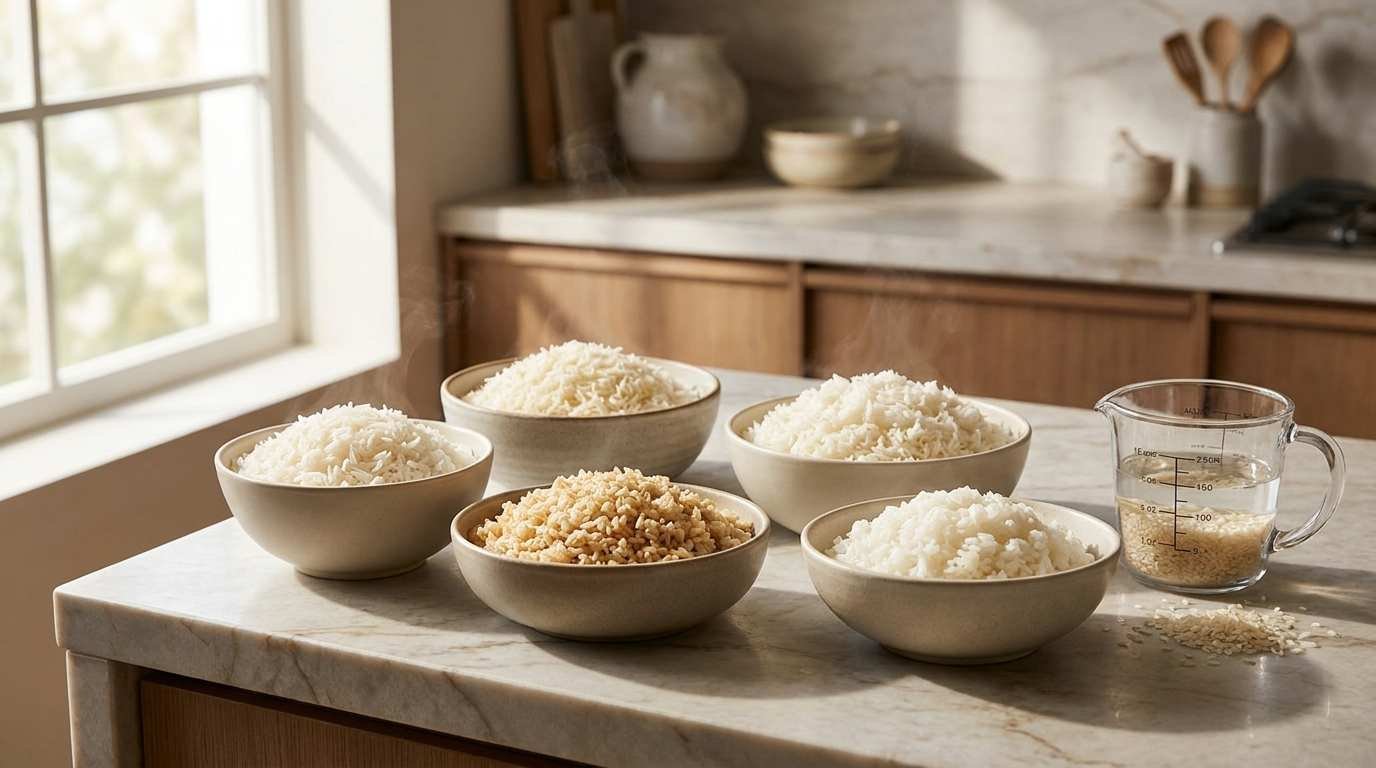
The Best Rice for Spam Musubi
Rice is arguably just as important as the Spam.
Short-grain white rice is an excellent choice because its naturally sticky texture makes it easier to shape.
Japanese-style sushi rice also works particularly well.
Medium-grain rice can be used when short-grain rice isn’t available.
Long-grain rice generally isn’t the best option because the individual grains tend to remain separate, making the musubi more difficult to shape and eat.
Avoid making the rice overly wet. Soft, waterlogged rice can turn the musubi into a loose mound rather than a compact handheld snack.
Should You Season the Rice?
Spam musubi can be made with plain rice, and the salty-sweet Spam provides much of the seasoning.
However, lightly seasoned rice can add another layer of flavor.
For a subtle variation, mix the warm rice with:
- A small splash of rice vinegar
- A pinch of sugar
- A very small amount of salt
Don’t over-season it.
The Spam and glaze are already flavorful, so the rice should remain relatively mild and act as a balance.
How to Get Crispy, Caramelized Spam
The secret to excellent Spam musubi is not rushing the skillet step.
Start with medium heat and allow the Spam to develop a golden crust before turning it.
Once the glaze is added, reduce the heat slightly.
The sugar needs enough heat to caramelize, but too much heat can cause it to burn before it coats the Spam properly.
For especially caramelized edges, allow the glazed Spam to sit undisturbed in the pan for several seconds before turning it.
The goal is a shiny, sticky exterior with lightly crisp edges.
Easy Spam Musubi Variations
One reason Spam musubi remains so versatile is that the basic recipe can be customized in countless ways.
Teriyaki Spam Musubi
Replace the simple glaze with your favorite teriyaki-style sauce.
A mixture of soy sauce, brown sugar, mirin, and ginger produces a classic sweet-savory combination.
Spicy Spam Musubi
Add a little sriracha, chili garlic sauce, or Japanese chili seasoning to the glaze.
The heat works particularly well with the sweetness of the brown sugar.
Spam Musubi With Egg
Add a thin rectangular omelet between the Spam and rice.
Egg makes the musubi more substantial and creates a delicious breakfast-style version.
Spam Musubi With Furikake
Sprinkle furikake over the rice before adding the Spam.
The Japanese rice seasoning provides additional umami, sesame flavor, and texture.
Avocado Spam Musubi
For a modern variation, add a very thin layer of avocado.
Because avocado is soft, avoid adding too much or the musubi may become difficult to handle.
Cheesy Spam Musubi
A small slice of melted cheese can create a rich, indulgent version.
This variation works especially well when the Spam is served hot.
Tips for Making Spam Musubi Ahead of Time
Spam musubi is convenient for packed lunches and meal preparation, but a few details make a big difference.
If preparing it ahead, allow the cooked Spam to cool slightly before assembly.
Don’t refrigerate the finished musubi uncovered. The rice can become hard and dry, while the nori can become unpleasantly soft.
Wrap each musubi individually in plastic wrap or an appropriate food-storage covering.
For the best quality, consume refrigerated musubi relatively soon rather than keeping it for several days.
If possible, keep the nori separate and wrap it shortly before eating. This preserves more of its texture.
Can Spam Musubi Be Made Without a Mold?
Absolutely.
A musubi mold is convenient, but it isn’t required.
Use a clean rectangular container or shape the rice manually.
The easiest approach is to place warm rice between sheets of plastic wrap and gently press it into a compact rectangle.
Remove the plastic wrap, place the Spam on top, and finish with the nori.
The shape doesn’t have to be perfect.
What matters most is that the rice is compact enough to hold together when the musubi is picked up.
Common Spam Musubi Mistakes
Using Rice That Is Too Cold
Cold rice tends to be less sticky and more difficult to shape.
Warm rice generally produces better results.
Overcooking the Spam
Spam becomes increasingly firm and salty as it cooks.
Brown it until the edges are caramelized rather than cooking it excessively.
Making the Glaze Too Salty
Remember that Spam is already salty.
Use the soy sauce carefully and consider using a reduced-sodium variety if desired.
Using Too Much Glaze
A thick coating sounds appealing, but excessive sauce can make the rice wet and cause the musubi to fall apart.
The glaze should cling to the Spam.
Packing the Rice Too Loosely
Loose rice won’t hold its shape.
Press the rice firmly enough to create a compact block while avoiding excessive compression.
Wrapping With Too Much Nori
Nori adds flavor and structure, but it shouldn’t overwhelm the rice and Spam.
A relatively narrow strip is usually sufficient.
How to Store Spam Musubi
For food safety and quality, cooked Spam musubi should be handled like other cooked rice dishes and refrigerated promptly if it isn’t being eaten soon.
Store leftovers in an airtight container or wrap them individually.
Refrigeration can make the rice noticeably firmer.
When reheating, gently warm the musubi until the rice softens again, taking care not to overheat the Spam or scorch the nori.
For the best texture, freshly made Spam musubi is preferable.
What to Serve With Spam Musubi
Spam musubi is satisfying on its own, but it can also be served as part of a larger meal.
Good accompaniments include:
- Fresh pineapple
- Cucumber salad
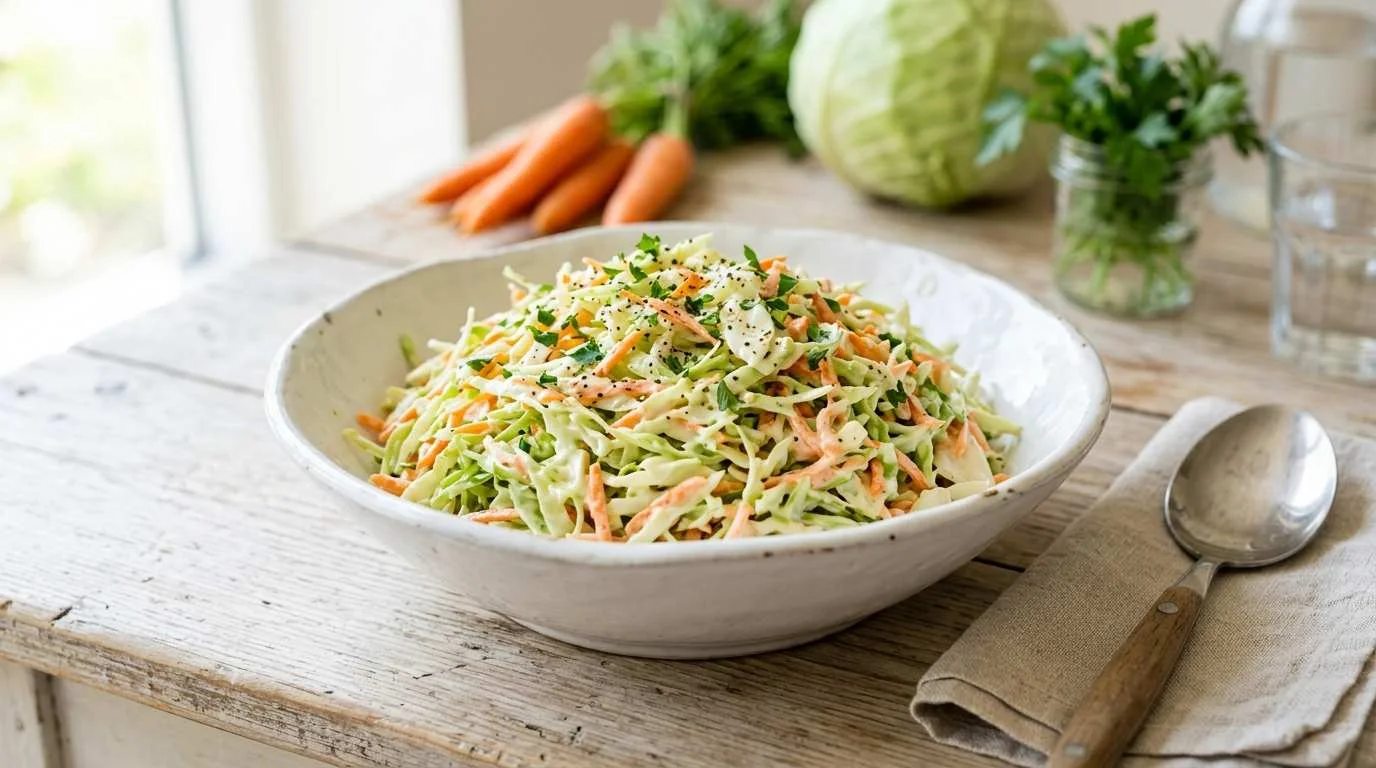
- Asian-style slaw
- Miso soup
- Edamame
- Pickled vegetables
- Steamed vegetables
- Fresh fruit
- Japanese-style potato salad
For a casual lunch, pair two Spam musubi with fruit and a crisp cucumber salad.
For breakfast, add scrambled or fried eggs.
For a party, make smaller musubi using thinner slices of Spam.
How to Make Spam Musubi Less Salty
If you enjoy Spam musubi but find the traditional version too salty, there are several easy adjustments.
First, use reduced-sodium Spam if available.
Second, reduce the amount of soy sauce in the glaze.
Third, increase the proportion of rice relative to Spam.
You can also add fresh vegetables or fruit to the meal to provide contrast.
Most importantly, avoid adding unnecessary salt to the rice.
The finished musubi should have a balanced savory flavor rather than tasting overwhelmingly salty.
How to Make Spam Musubi More Flavorful
When the basic recipe tastes flat, the solution isn’t necessarily more salt.
Instead, build flavor through contrasting ingredients.
Fresh ginger adds warmth.
Garlic provides savory depth.
Rice vinegar contributes acidity.
Sesame oil brings nuttiness.
Brown sugar creates caramelization.
Furikake adds umami and texture.
A small amount of chili sauce introduces heat.
Using several of these elements in moderation produces a much more complex Spam musubi without making it excessively salty.
Spam Musubi Recipe Serving Guide
For a standard meal or snack, one to two musubi per person is usually appropriate.
For a party or buffet, smaller pieces can be prepared so guests can sample them alongside other foods.
If serving musubi as a packed lunch, two pieces with fruit or vegetables make a simple and filling combination.
Because rice is dense and Spam is rich, smaller portions can be surprisingly satisfying.
Final Tips for the Best Spam Musubi
The best Spam musubi recipe doesn’t require complicated equipment or an enormous ingredient list.
Focus on the fundamentals.
Use warm sticky rice.
Slice the Spam evenly.
Brown it until the edges are golden.
Add a balanced sweet-savory glaze.
Shape the rice firmly.
Use enough nori to hold everything together without overpowering the filling.
And don’t be afraid to customize the recipe.
A little furikake, spicy sauce, egg, ginger, or sesame can completely change the character of the finished musubi.
Once the basic technique becomes familiar, Spam musubi is one of those recipes that can be prepared quickly whenever you want something savory, filling, portable, and satisfying.
The combination of caramelized Spam, tender rice, and savory nori is simple—but that’s exactly what makes Spam musubi so good.
Frequently Asked Questions
What is Spam musubi made of?
Traditional Spam musubi is made with Spam, cooked rice, and nori seaweed. Many versions also include a sweet-savory sauce made from ingredients such as soy sauce, sugar, and mirin.
Is Spam musubi sushi?
Spam musubi is sushi-like in presentation but isn’t traditional sushi. It is a Hawaiian-style snack with strong Japanese culinary influence.
Can I use regular white rice?
Yes, although short-grain or medium-grain rice is preferable because it sticks together more effectively.
Do I need a musubi mold?
No. A mold makes the process easier and produces uniform shapes, but you can shape the rice by hand.
Can Spam musubi be eaten cold?
Yes. It can be eaten at room temperature or chilled, although many people prefer the texture and flavor when the rice and Spam are freshly prepared.
Can I make Spam musubi without nori?
Yes. The nori provides flavor and helps hold the musubi together, but the snack can be made without it.
Why does my Spam musubi fall apart?
The rice may not be sticky enough, it may not have been pressed firmly enough, or there may be too much sauce between the Spam and rice.
Use warm, properly cooked sticky rice and press it firmly into shape.




Leave a Reply