
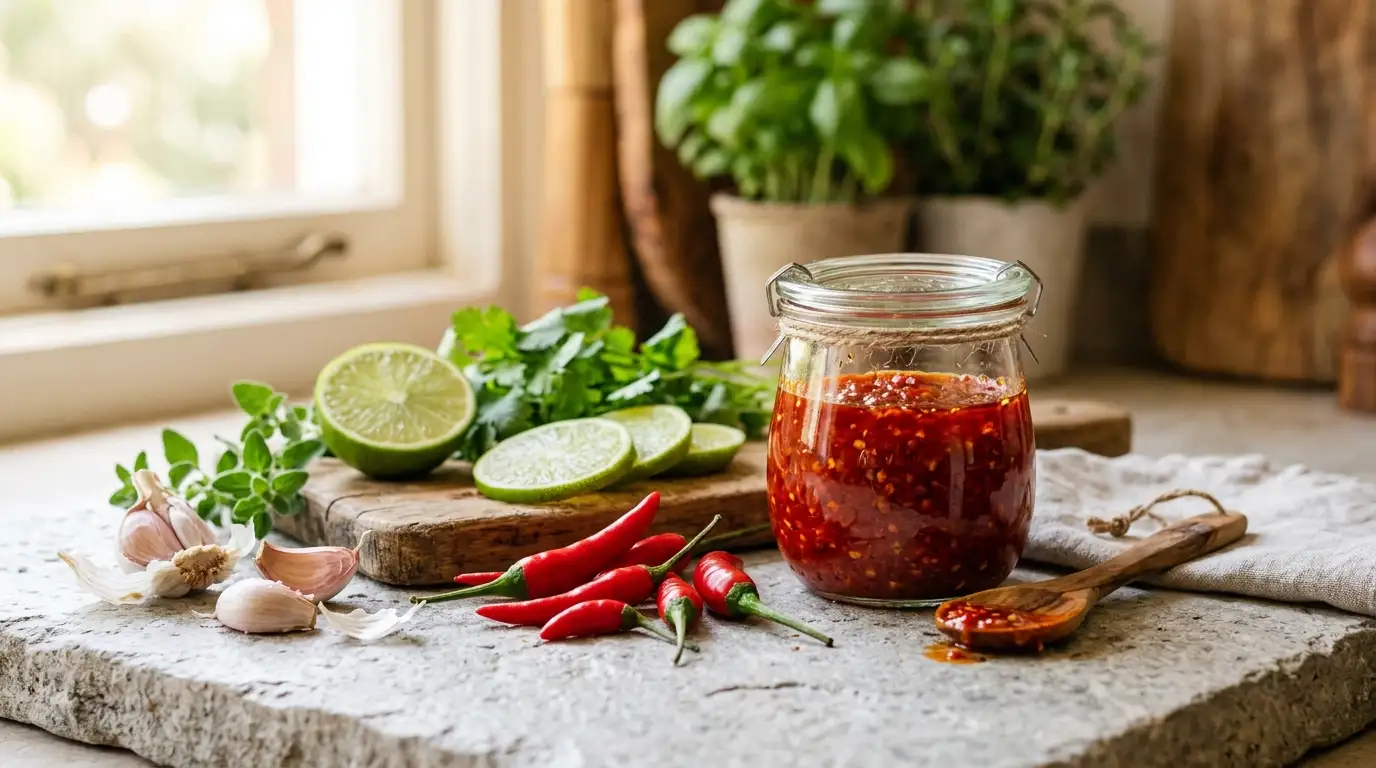

When a meal needs more personality, a good spicy sauce can transform it in minutes. The right combination of heat, acidity, sweetness, salt, aromatics, and richness creates a sauce that works far beyond tacos or grilled meats. It can become a dipping sauce, sandwich spread, marinade, finishing drizzle, or everyday condiment.
This homemade version gives us control over the ingredients and intensity. We can make it fiery or mild, smooth or chunky, tangy or slightly sweet, depending on how we plan to use it.
Table of Contents
What Is Spicy Sauce?
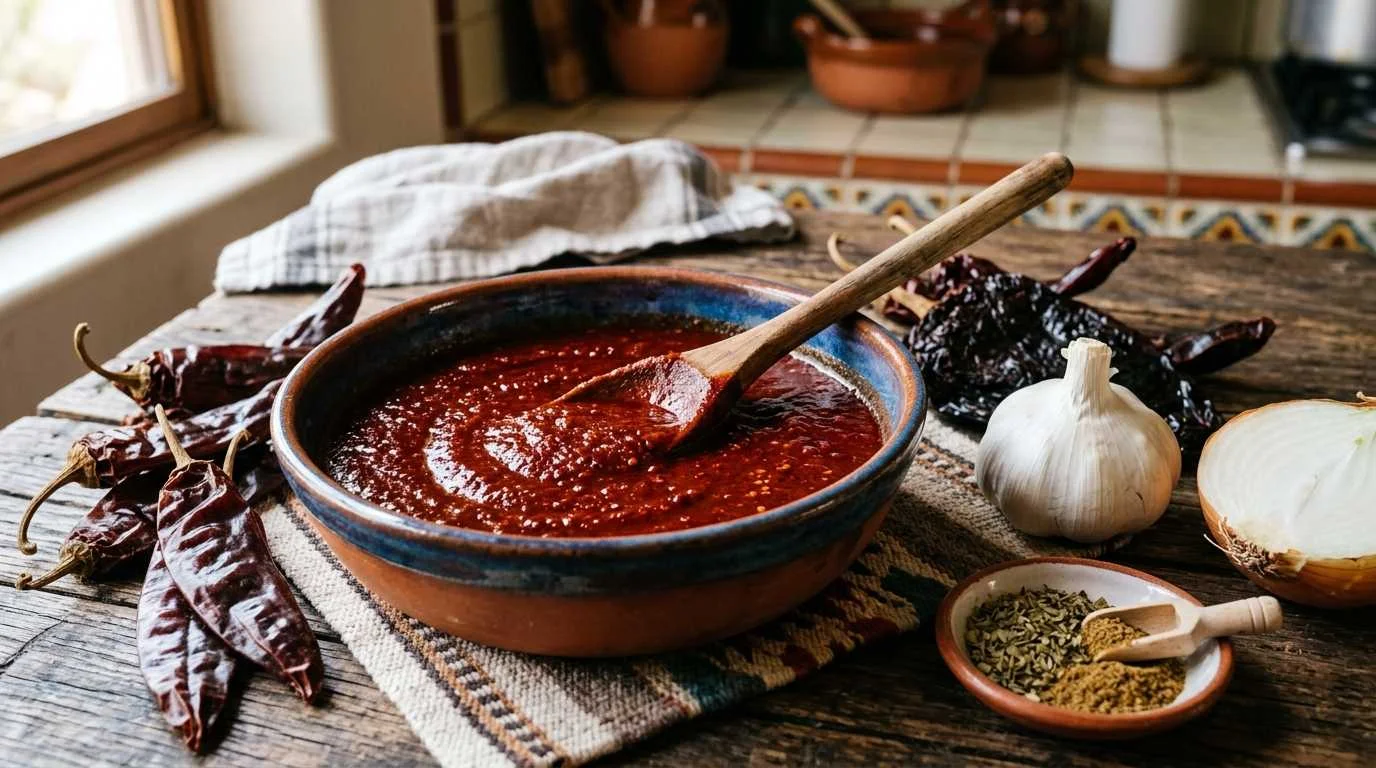
Spicy sauce is a condiment made by combining hot peppers with ingredients that balance and develop their heat. Common additions include vinegar, citrus juice, garlic, onion, tomatoes, herbs, spices, salt, and a small amount of sweetener.
The beauty of making spicy sauce at home is flexibility. We are not restricted to one flavor profile. A bright vinegar-based sauce works beautifully with fried foods, while a thicker chili-garlic sauce is excellent with noodles, rice bowls, sandwiches, roasted vegetables, and grilled meats.
The heat level also depends on the peppers we choose. Jalapeños provide a relatively approachable kick, serranos offer more heat and freshness, while habaneros create a much more intense sauce with a distinctive fruity character.
Ingredients for Homemade Spicy Sauce
A simple homemade sauce can be built from a handful of ingredients:
- Fresh chili peppers for heat and flavor
- Garlic for savory depth
- Vinegar or lime juice for acidity
- Tomato for body and natural sweetness
- Salt to sharpen the flavors
- Honey or sugar for balance
- Water to adjust consistency
- Olive oil for a richer texture, if desired
We can easily customize the ingredient list. For a smoky sauce, smoked paprika or chipotle peppers work especially well. For a sweeter version, honey, maple syrup, or brown sugar can soften the heat.
How to Make Spicy Sauce
1. Choose the Peppers
The peppers determine much of the character of the finished sauce.
For a moderate sauce, jalapeños are an excellent starting point. Serrano peppers create a sharper, greener heat. Habaneros are ideal when we want substantial heat accompanied by tropical, fruity notes.
We can combine several varieties to create more complexity rather than relying on one pepper alone.
2. Prepare the Peppers
Wash the peppers thoroughly and remove the stems.
For less heat, remove some or all of the seeds and inner membranes. For a hotter sauce, leave them intact.
When working with very hot peppers, we should avoid touching our eyes or face and wash our hands and utensils thoroughly afterward.
3. Cook the Aromatics
Add the peppers, garlic, and tomato to a saucepan with a small amount of water.
Simmer gently until the vegetables soften. This takes approximately 8 to 12 minutes, depending on the size and type of ingredients.
Cooking mellows the raw sharpness of the peppers and garlic while allowing their flavors to blend.
4. Add the Acid
Once the vegetables are tender, add vinegar or fresh lime juice.
Acidity is essential because it gives spicy sauce its characteristic brightness. It also prevents the flavor from becoming heavy or one-dimensional.
Apple cider vinegar creates a slightly fruity profile, while distilled white vinegar produces a cleaner, sharper result.
5. Blend Until Smooth
Transfer the mixture to a blender and process until the desired consistency is reached.
For an exceptionally smooth sauce, strain it through a fine-mesh sieve. If we prefer a rustic condiment, we can leave some texture intact.
Add a little water if the sauce is too thick.
6. Balance the Flavor
Taste the sauce carefully.
If the heat feels overwhelming, add a little sweetness. If the sauce tastes flat, increase the acidity or salt slightly. If the flavor is too sharp, a small amount of additional tomato, honey, or water can help round it out.
The goal is not simply to make the hottest sauce possible. The best spicy sauce has balanced heat and flavor.
How to Control the Heat Level
The easiest way to control heat is by changing the type and quantity of peppers.
For a mild spicy sauce, use mostly jalapeños and remove the membranes.
For a medium-hot sauce, combine jalapeños with serranos.
For a very hot sauce, introduce habaneros or another hotter chili variety.
We can also dilute an overly hot sauce by increasing the amount of tomato, vinegar, water, or another neutral ingredient.
Sweetness can make a sauce seem less aggressive, but it does not actually remove the heat. It simply creates a more balanced perception of the chili’s intensity.
The Best Flavor Combinations
Spicy Garlic Sauce
Garlic and chili are a natural pairing. Adding extra garlic creates a savory sauce that works particularly well with noodles, dumplings, roasted vegetables, chicken, and seafood.
Smoky Spicy Sauce
Smoked paprika, chipotle peppers, or roasted peppers introduce a deep smoky character. This version pairs especially well with grilled meats, burgers, potatoes, and barbecue dishes.
Sweet and Spicy Sauce
A small amount of honey, maple syrup, or sugar creates a sweet-hot contrast. This style is particularly useful as a glaze for chicken wings, roasted vegetables, tofu, or crispy appetizers.
Fresh Chili-Lime Sauce
Fresh lime juice, cilantro, and green chili peppers produce a bright sauce with a clean finish. It is excellent for tacos, grilled fish, salads, rice bowls, and fresh vegetables.
How to Use Spicy Sauce
A jar of homemade spicy sauce can become one of the most versatile condiments in the kitchen.
We can drizzle it over:
- Tacos and burritos
- Scrambled or fried eggs
- Grilled chicken
- Steak
- Fish and shrimp
- Roasted vegetables
- French fries
- Burgers
- Sandwiches
- Pizza
- Rice bowls
- Noodles
- Avocado toast
- Soups and stews
It can also be mixed into mayonnaise, yogurt, sour cream, or cream cheese to create an instant spicy dip or spread.
For a creamy variation, combining a spoonful of spicy sauce with mayonnaise makes an excellent burger sauce. Mixing it with Greek yogurt creates a lighter dip for vegetables, roasted potatoes, or grilled foods.
Spicy Sauce as a Marinade
We can also use homemade spicy sauce as the foundation for a marinade.
Combine the sauce with olive oil and additional acid if needed. For chicken or seafood, a little honey can provide sweetness and encourage attractive browning during cooking.
The sauce should complement rather than overwhelm the main ingredient, so we can adjust its intensity according to the food being marinated.
A Creative Sauce Pairing
For those who enjoy experimenting with condiments, we can also explore creamy and sweet sauce combinations. A recipe such as a glossier sauce recipe can inspire a different approach to texture and flavor balance, especially when creating sandwich spreads, dipping sauces, or customized burger condiments.
The idea is simple: start with a strong base and adjust heat, acidity, sweetness, and richness until the sauce matches the dish.
How to Make Spicy Sauce Less Hot
If the finished sauce is hotter than expected, there are several ways to soften it.
Add more of the non-spicy ingredients, such as tomatoes or roasted peppers. Increasing the acidic component slightly can also brighten the sauce and make the heat feel more balanced.
A touch of sweetness can further soften the overall flavor.
The most reliable solution is dilution. Instead of trying to eliminate the heat chemically, increase the volume of the sauce with ingredients that do not contribute additional chili heat.
How to Make Spicy Sauce Thicker
For a thicker sauce, reduce it gently in a saucepan after blending. Evaporation removes excess water while concentrating the flavors.
We can also increase the amount of tomato, roasted pepper, or another naturally thick ingredient.
Avoid adding too much thickener at once. A good spicy sauce should generally remain easy to pour unless we are deliberately making a spread.
How to Make Spicy Sauce Thinner
If the sauce is too thick, add water, vinegar, or citrus juice a little at a time.
Water changes the consistency without significantly altering the flavor, while vinegar and lime juice also increase acidity.
Blend again after each adjustment and taste before adding more.
How Long Does Homemade Spicy Sauce Last?
Storage life depends heavily on the ingredients, acidity, preparation method, and storage conditions.
For a homemade sauce that has not been processed using a tested canning recipe, the safest approach is to store it refrigerated in a clean, airtight container and use it promptly.
Always use clean utensils when serving the sauce, and discard it if it develops an unusual odor, appearance, mold, or other obvious signs of spoilage.
For long-term shelf stability, we should follow a tested food-preservation recipe rather than relying on acidity or personal estimates.
Tips for Better Homemade Spicy Sauce
Balance Heat With Acidity
Too much chili without enough acidity can make the sauce taste heavy. Vinegar or citrus helps create a cleaner finish.
Roast the Ingredients
Roasting peppers, garlic, and tomatoes adds caramelized, smoky notes that can make a basic sauce taste considerably more complex.
Add Sweetness Carefully
Sugar and honey should balance the heat rather than turn the sauce into a sweet condiment.
Taste After Blending
The flavors can change considerably once all the ingredients are combined. Always taste the finished mixture before making final adjustments.
Make Small Batches
When experimenting with new pepper combinations, smaller batches make it easier to adjust the recipe and avoid wasting ingredients.
Final Thoughts
A great spicy sauce is about more than heat. The most enjoyable versions combine chili intensity with acidity, salt, sweetness, aromatics, and texture to create a condiment that makes ordinary meals more exciting.
Once we understand that balance, homemade sauce becomes incredibly adaptable. We can use fresh green chilies for brightness, roasted peppers for depth, habaneros for serious heat, garlic for savoriness, or honey for a sweet contrast.
The best approach is to start with a manageable level of heat, taste frequently, and adjust the sauce until every element works together. That gives us a homemade condiment that is fresher, more customizable, and far more versatile than a one-dimensional hot sauce.
Frequently Asked Questions
What is the main ingredient in spicy sauce?
Hot peppers are the primary ingredient responsible for the heat. The remaining ingredients determine the sauce’s acidity, sweetness, texture, aroma, and overall character.
Can we make spicy sauce without vinegar?
Yes. Lime juice, lemon juice, or another suitable acidic ingredient can provide brightness. Some sauces can also rely on naturally acidic ingredients such as tomatoes, although the final flavor will be different.
Which pepper makes the best spicy sauce?
There is no single best pepper. Jalapeños are excellent for moderate heat, serranos provide a brighter kick, and habaneros offer intense heat with fruity flavor.
How can we make spicy sauce hotter?
Use hotter peppers or increase the proportion of hot peppers in the recipe. We can also leave more of the pepper’s inner membranes intact.
Can spicy sauce be used on breakfast foods?
Absolutely. A few drops over eggs, breakfast potatoes, avocado toast, breakfast sandwiches, or beans can add acidity and heat without requiring an elaborate recipe.

Leave a Reply