
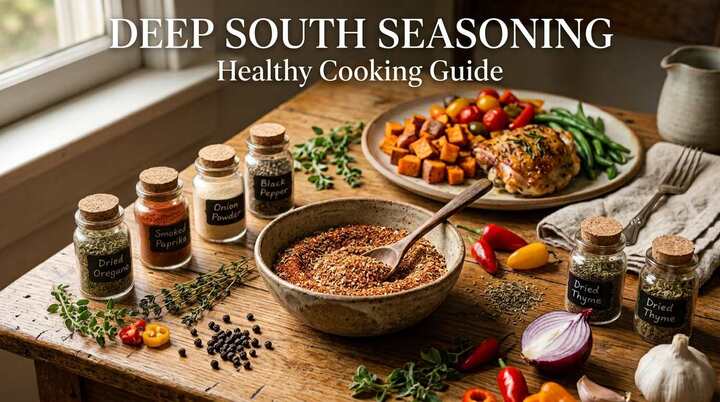

Deep South seasoning brings the bold, comforting character of Southern cooking to everyday meals through a carefully balanced combination of herbs, spices, aromatics, and heat. When used thoughtfully, it can add remarkable depth to vegetables, lean proteins, grains, beans, soups, and homemade sauces without relying heavily on butter, excess salt, or processed flavoring ingredients.
Traditional Southern cuisine is known for generous seasoning, slow cooking, smoky flavors, and satisfying textures. We can preserve those qualities while taking a more balanced approach to everyday cooking. The key is to use Deep South seasoning as a flavor-building ingredient rather than simply adding more salt.
A well-balanced seasoning blend can transform simple ingredients into meals that feel rich and complete. By combining paprika, garlic, onion, black pepper, herbs, and optional cayenne, we can create layers of flavor while maintaining control over the ingredients.
Table of Contents
What Is Deep South Seasoning?
Deep South seasoning generally refers to a Southern-inspired blend of spices and herbs designed to create the savory, smoky, slightly spicy flavor associated with dishes from the American South.
There is no single universal recipe for Deep South seasoning. Different cooks and regional traditions use different proportions and ingredients. Common components include paprika, garlic powder, onion powder, black pepper, cayenne pepper, dried thyme, oregano, and sometimes celery seed or mustard powder.
The flexibility of the blend makes it particularly useful for healthy cooking. We can adjust the quantities according to the meal, reduce sodium, increase herbs, or add more heat without changing the basic character of the seasoning.
A homemade blend also gives us complete control over what goes into the mixture.
Why Deep South Seasoning Works for Healthy Cooking
Healthy food does not have to taste plain. One of the biggest challenges with simple meals is creating enough flavor without adding excessive amounts of oil, sugar, salt, or heavy sauces.
Deep South seasoning solves part of that problem by concentrating flavor into a small amount of seasoning.
For example, roasted vegetables can taste dramatically different after being coated with paprika, garlic, onion, black pepper, and thyme. Chicken breasts can become more interesting with a Southern-inspired spice rub. Beans, lentils, brown rice, and sweet potatoes can also benefit from the same flavor profile.
The advantage comes from using spices and herbs to build complexity.
Instead of depending on a large quantity of creamy dressing or salty sauce, we can season ingredients before cooking and allow their natural flavors to develop.
Essential Ingredients in a Deep South Seasoning Blend
A versatile homemade Deep South seasoning can begin with several familiar pantry ingredients.
Paprika
Paprika provides color, mild sweetness, and a warm pepper flavor. Regular paprika works well for an everyday blend, while smoked paprika adds a deeper, wood-fired character.
Garlic Powder
Garlic powder distributes savory flavor evenly throughout a seasoning mixture. It is particularly useful for roasted vegetables, chicken, fish, potatoes, and beans.
Onion Powder
Onion powder adds mild sweetness and savory depth without requiring fresh onions in every recipe.
Black Pepper
Freshly ground black pepper provides warmth and sharpness. It also balances sweeter ingredients such as sweet potatoes, corn, carrots, and roasted squash.
Cayenne Pepper
Cayenne introduces heat. We can use a small amount for gentle warmth or increase it when a stronger spicy profile is desired.
Dried Thyme
Thyme adds an earthy herbal note that works especially well with chicken, beans, vegetables, soups, and stews.
Dried Oregano
Oregano gives the blend additional herbal complexity. Its assertive flavor means that a modest quantity is usually sufficient.
Celery Seed
Celery seed is optional but useful when we want a seasoning blend with a more traditional Southern-style savory character.
A Simple Homemade Deep South Seasoning Recipe
We can prepare a basic seasoning blend using:
- 2 tablespoons paprika
- 1 tablespoon garlic powder
- 1 tablespoon onion powder
- 2 teaspoons black pepper
- 1 teaspoon dried thyme
- 1 teaspoon dried oregano
- ½ teaspoon cayenne pepper
- ½ teaspoon celery seed
- ½ teaspoon mustard powder
Combine all ingredients in a small airtight jar and shake thoroughly.
This recipe is intentionally flexible. We can reduce the cayenne for a mild blend, use smoked paprika for a smoky version, or increase the herbs when preparing vegetables and legumes.
If salt is desired, it can be added separately during cooking rather than incorporated heavily into the seasoning jar. This makes it easier to control the amount used in each meal.
How to Use Deep South Seasoning on Vegetables
Vegetables are one of the easiest places to use Deep South seasoning.
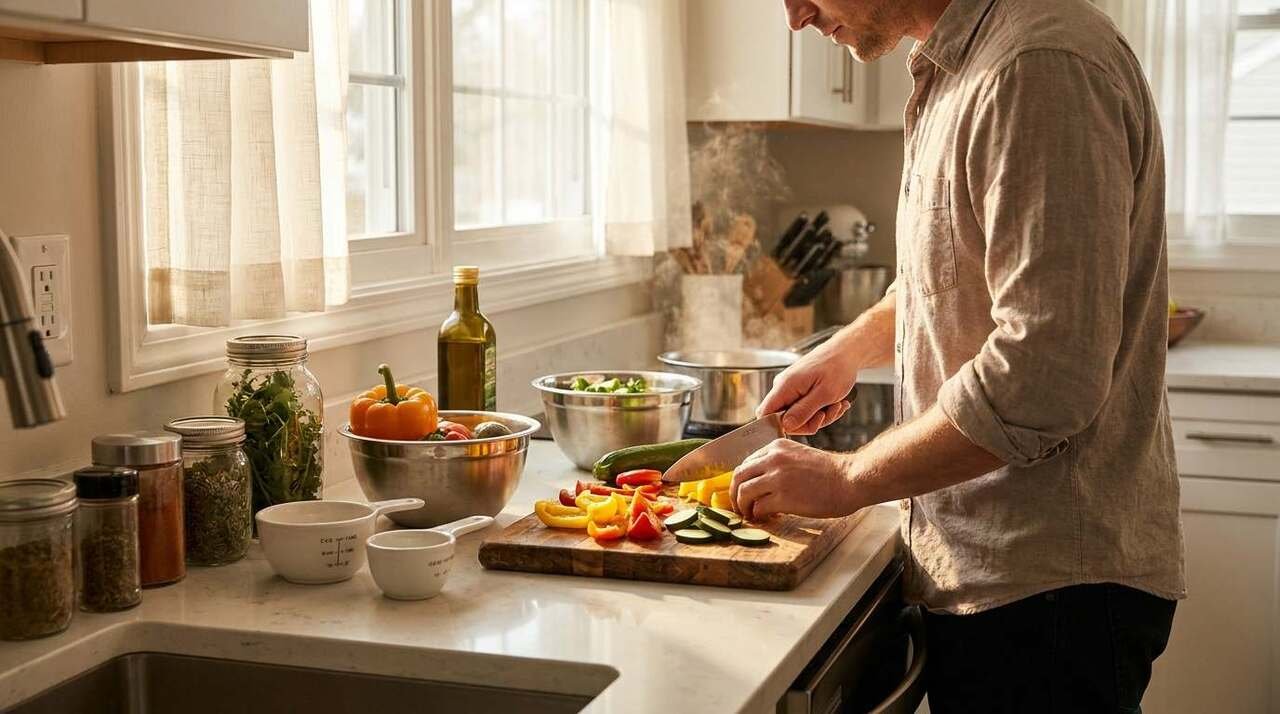
Before roasting, we can toss vegetables with a small amount of olive oil and seasoning. Excellent choices include:
- Sweet potatoes
- Cauliflower
- Broccoli
- Bell peppers
- Green beans
- Carrots
- Zucchini
- Brussels sprouts
- Corn
- Butternut squash
The spices become fragrant as the vegetables roast, while the natural sugars in the vegetables develop a lightly caramelized flavor.
For a simple weeknight side dish, we can season cubed sweet potatoes with paprika, garlic powder, black pepper, thyme, and a touch of cayenne before roasting until tender.
Deep South Seasoning for Chicken
Chicken is naturally mild, which makes it an excellent canvas for a flavorful spice blend.
We can rub Deep South seasoning directly onto chicken breasts, thighs, wings, or tenderloins before grilling, baking, roasting, or air frying.
For lean chicken breasts, seasoning can be combined with a small amount of olive oil and lemon juice. The mixture creates a flavorful coating while helping prevent the meat from becoming bland.
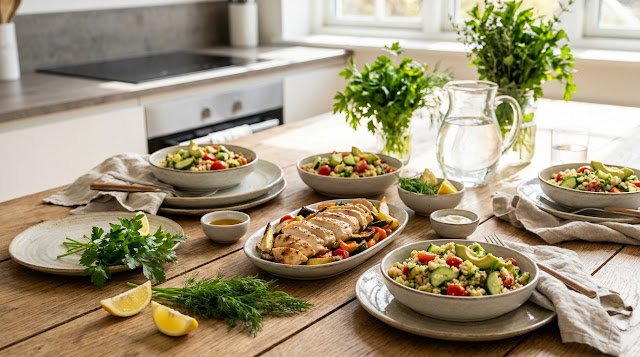
For an easy healthy dinner, we can pair seasoned chicken with roasted vegetables and brown rice. The result provides protein, fiber-rich carbohydrates, and vegetables while maintaining the distinctive Southern-inspired flavor.
Deep South Seasoning for Fish and Seafood
A Southern-style seasoning blend can also complement seafood.
White fish such as cod, haddock, tilapia, and pollock can be lightly coated with the seasoning before baking or pan-searing. Salmon can also work well with paprika, black pepper, garlic, and herbs.
For seafood, we generally want the seasoning to enhance rather than overpower the natural flavor.
A small amount of lemon juice added after cooking can brighten the dish and balance the smoky and savory spices.
Using Deep South Seasoning With Beans and Lentils
Beans and lentils are excellent ingredients for healthy meals because they provide plant-based protein and dietary fiber.
Their mild flavor also makes them ideal for seasoning.
We can add Deep South seasoning to black beans, kidney beans, pinto beans, chickpeas, lentils, or white beans. The blend can be incorporated into soups, grain bowls, stews, or simple skillet meals.
For a quick meal, we can combine black beans with brown rice, sautéed peppers, onions, tomatoes, and a small amount of Deep South seasoning.
This approach creates a satisfying meal without requiring a heavy sauce.
Deep South Seasoning for Healthy Soups and Stews
Soups are particularly good at absorbing spice blends.
A vegetable soup can become more flavorful with paprika, garlic, onion, thyme, and black pepper. Lentil soup can take on a deeper character with the same combination.
We can also use Deep South seasoning in chicken and vegetable soup, bean soup, turkey chili, or sweet potato stew.
When adding seasoning to a large pot, it is better to begin with a modest quantity and adjust gradually. Long cooking times can intensify flavors, and additional seasoning can always be added toward the end.
Healthy Southern-Inspired Breakfast Ideas
Deep South seasoning does not have to be reserved for dinner.
A small amount can transform breakfast dishes such as scrambled eggs, egg-white omelets, breakfast potatoes, avocado toast, or vegetable frittatas.
We can season eggs with paprika, black pepper, garlic powder, and thyme. Adding spinach, mushrooms, tomatoes, onions, or bell peppers creates a colorful and nutrient-rich breakfast.
For roasted breakfast potatoes, Deep South seasoning provides enough character that a heavy sauce may not be necessary.
Deep South Seasoning for Grain Bowls
Grain bowls are another practical way to use a Southern-inspired spice blend.
A balanced bowl can include:
- Brown rice or quinoa
- Seasoned chicken or beans
- Roasted sweet potatoes
- Leafy greens
- Bell peppers
- Corn
- Tomatoes
- Avocado
- A light lemon-based dressing
We can season several components with the same spice blend while using different cooking methods to create contrasting textures.
This makes meal preparation easier while keeping the finished dish interesting.
How to Reduce Sodium in Deep South Seasoning
Many commercial spice blends contain considerable amounts of salt. Homemade seasoning allows us to change that.
Rather than relying on salt as the primary flavor component, we can emphasize garlic, onion, paprika, herbs, black pepper, and citrus.
Lemon or lime juice can provide brightness that makes food taste more flavorful without requiring as much salt.
We can also taste the finished meal before adding additional salt. Sometimes the combination of spices, natural acidity, and properly cooked ingredients provides enough flavor on its own.
Choosing Between Regular and Smoked Paprika
Regular and smoked paprika create noticeably different results.
Regular paprika provides a mild pepper flavor and vibrant color. It works well for vegetables, chicken, fish, eggs, and grain dishes.
Smoked paprika adds a pronounced smoky quality. It is especially useful when we want to create the impression of grilled or slow-cooked food without actually smoking the ingredients.
Because smoked paprika has a stronger personality, we can start with a smaller quantity and increase it according to taste.
Balancing Heat in Healthy Southern Cooking
Cayenne pepper can make a seasoning blend exciting, but excessive heat can overwhelm other flavors.
We can adjust the heat according to the dish and the people eating it. For family meals, keeping the base blend mild and adding cayenne separately can be especially practical.
Other sources of heat, such as crushed red pepper, can also be added at the table.
This approach gives everyone control over the final intensity.
Deep South Seasoning and Meal Preparation
Homemade seasoning is particularly convenient for meal preparation.
We can prepare a larger batch and store it in an airtight container away from direct sunlight and moisture. Having the mixture ready makes it easier to prepare healthy meals during busy weeks.
A single seasoning blend can be used across chicken, vegetables, fish, beans, eggs, potatoes, and soups.
This reduces the number of individual ingredients we need to measure every time we cook.
Healthy Cooking Tips for Using Deep South Seasoning
To get the most flavor from a Southern-inspired seasoning blend, we can follow several simple principles.
- Season in layers. Add some seasoning before cooking and make small adjustments near the end.
- Use fresh acidity. Lemon juice, lime juice, or vinegar can brighten heavily seasoned dishes.
- Do not depend on oil for flavor. A small amount of oil can help spices adhere to vegetables and proteins, but the seasoning itself should provide much of the character.
- Toast spices carefully. Briefly heating spices can release their aromas, but we should avoid burning them.
- Taste before salting. Spice blends containing garlic, onion, paprika, herbs, and pepper can provide substantial flavor without excessive sodium.
- Store the blend properly. An airtight container kept in a cool, dry cupboard helps preserve the aroma and flavor of dried spices.
Southern-Inspired Healthy Meal Ideas
Once we have a homemade Deep South seasoning blend, we can use it throughout the week.
A simple dinner might include seasoned baked chicken, roasted broccoli, and sweet potatoes.
Another option is a black bean and brown rice bowl with corn, peppers, tomatoes, avocado, and a squeeze of lime.
For a lighter meal, we can prepare seasoned white fish with roasted vegetables and quinoa.
A comforting option is lentil and vegetable soup flavored with paprika, garlic, onion, thyme, and black pepper.
For breakfast, seasoned eggs with spinach, tomatoes, and roasted potatoes provide another way to bring Southern-inspired flavors into a balanced meal.
Final Thoughts on Deep South Seasoning in Healthy Cooking
Deep South seasoning demonstrates that healthy cooking does not need to be bland or repetitive. A thoughtful combination of paprika, garlic, onion, black pepper, herbs, and controlled heat can create satisfying flavor across a wide range of ingredients.
The greatest advantage of making the blend at home is flexibility. We can control the salt, adjust the heat, change the herbs, choose regular or smoked paprika, and create a seasoning that matches our cooking style.
By using Deep South seasoning with vegetables, lean proteins, seafood, beans, lentils, whole grains, eggs, soups, and roasted dishes, we can bring the warmth of Southern-inspired cooking into balanced everyday meals.
Good seasoning is not simply about making food taste stronger. It is about making wholesome ingredients taste worth coming back to.



Leave a Reply