

Honey mustard sauce for salmon is one of the easiest ways to turn an ordinary salmon fillet into a flavorful, polished meal. The combination of sweet honey, tangy mustard, fresh lemon, garlic, and a little olive oil creates a glaze that complements salmon without overpowering its natural richness.
The sauce takes only a few minutes to mix, and it works equally well for baked salmon, roasted salmon, grilled salmon, air-fried salmon, and salmon fillets cooked in a skillet. The honey caramelizes as the salmon cooks, while the mustard adds sharpness that keeps the finished dish balanced rather than overly sweet.
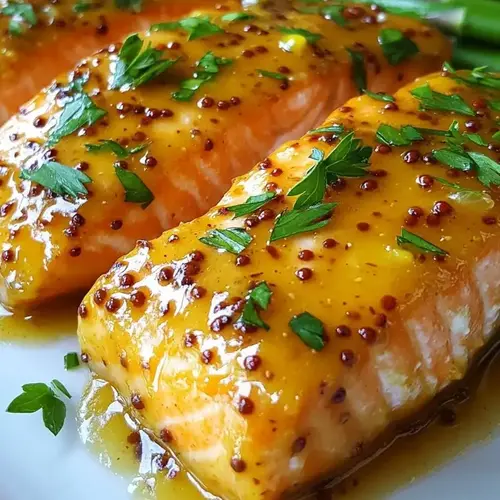
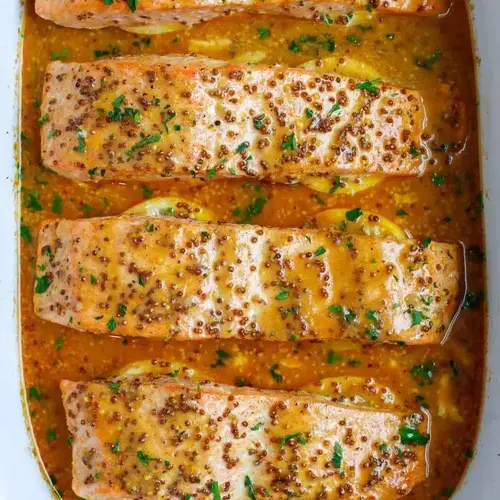
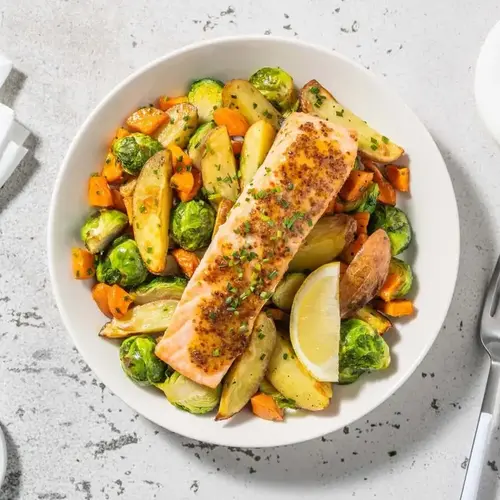
Table of Contents
Why Honey Mustard Works So Well With Salmon
Salmon has a naturally rich, buttery flavor, so it pairs particularly well with ingredients that provide acidity, sweetness, and savory depth.
Honey provides gentle sweetness and helps the sauce develop an attractive glaze during cooking. Dijon mustard contributes acidity and a slightly spicy bite, preventing the honey from becoming cloying. Lemon juice brightens the entire sauce, while garlic adds savory character.
The result is a glaze that is simultaneously sweet, tangy, savory, and slightly sharp.
The sauce can also be adjusted easily. More honey makes it sweeter, while additional mustard makes it more pronounced and tangy. A little lemon juice makes the flavor brighter, and a pinch of smoked paprika can give the salmon a subtle smoky note.
Honey Mustard Sauce Ingredients
For approximately four salmon fillets, we can prepare the sauce with the following ingredients:
- 3 tablespoons honey
- 2 tablespoons Dijon mustard
- 1 tablespoon fresh lemon juice
- 1 tablespoon olive oil
- 1 garlic clove, finely minced
- ¼ teaspoon salt
- ¼ teaspoon freshly ground black pepper
- ½ teaspoon smoked paprika, optional
- 1 teaspoon chopped fresh parsley, optional
Dijon mustard is particularly useful because its smooth texture blends naturally with honey. Whole-grain mustard can also be used when a more rustic texture is preferred.
Fresh lemon juice is recommended over bottled lemon juice because it gives the sauce a cleaner, brighter flavor.
How to Make Honey Mustard Sauce for Salmon
Making this salmon sauce requires only one small bowl.
1. Combine the Honey and Mustard
Add the honey and Dijon mustard to a bowl. Stir until they are completely combined.
The mustard should distribute evenly through the honey rather than remaining in separate streaks.
2. Add Lemon Juice and Olive Oil
Whisk in the fresh lemon juice and olive oil.
The lemon juice adds acidity, while olive oil gives the sauce a smoother consistency and helps it coat the salmon evenly.
3. Add Garlic and Seasonings
Stir in the minced garlic, salt, and black pepper. If desired, add smoked paprika for additional depth.
Taste the sauce before applying it to the salmon. If it seems too sweet, add a small amount of lemon juice or mustard. If it is too sharp, add another teaspoon of honey.
4. Coat the Salmon
Pat the salmon fillets dry with paper towels. This helps the sauce adhere better and encourages the surface of the salmon to brown during cooking.
Place the salmon on a parchment-lined baking sheet or in a lightly oiled baking dish. Spoon or brush the honey mustard mixture generously over the top of each fillet.
Reserve a small portion of the sauce separately if we want extra sauce for serving. Avoid using sauce that has touched raw salmon unless it is cooked thoroughly first.
How to Bake Salmon With Honey Mustard Sauce
Baking is one of the simplest methods for preparing honey mustard salmon.
Preheat the oven to 400°F (200°C). Arrange the prepared salmon fillets in a baking dish or on a lined sheet pan.
Brush each fillet generously with the honey mustard glaze.
Bake until the salmon is cooked through and flakes easily with a fork. The exact cooking time depends on the thickness of the fillets, so checking the thickest part is more reliable than following a fixed time alone.
For food safety, salmon should reach the appropriate internal temperature according to current food-safety guidance. A kitchen thermometer is the easiest way to check.
During the final few minutes, the honey can begin to caramelize, giving the salmon a glossy, golden-brown surface.
Can We Grill Honey Mustard Salmon?
Absolutely. Grilling gives the salmon a slightly smoky flavor that works beautifully with the sweet and tangy glaze.
For grilled salmon, lightly oil the grill grates and preheat the grill. Place the salmon skin-side down when possible and cook until it is nearly done.
Because honey can burn at high temperatures, it is often better to apply some of the sauce during cooking rather than coating the salmon excessively before it reaches the grill.
Brush on another thin layer toward the end of cooking. This allows the glaze to become sticky and caramelized without burning.
Air Fryer Honey Mustard Salmon
The air fryer is another convenient option.
Pat the salmon dry and coat the top with a thin layer of honey mustard sauce. Place the fillets in the air fryer basket without overcrowding them.
Cook according to the thickness of the salmon and the manufacturer’s recommended temperature for fish. Start checking early because smaller fillets can cook quickly.
For an especially attractive finish, brush on a second thin layer of sauce during the final minutes.
The circulating hot air helps create a lightly caramelized exterior while keeping the center tender.
How to Keep Honey Mustard Salmon Moist
The biggest mistake when preparing salmon is overcooking it.
Salmon continues to cook slightly after it is removed from the oven or cooking surface, so we should avoid leaving it in the heat longer than necessary.
Choosing fillets of similar thickness also helps them finish at approximately the same time.
Another useful technique is to avoid cutting into the salmon repeatedly while it cooks. Each cut releases moisture and makes it harder to judge the cooking process accurately.
A thermometer provides a much more dependable indication of doneness.
Variations on Honey Mustard Sauce for Salmon
The basic sauce can easily become several different variations.
Creamy Honey Mustard Salmon
Add a small amount of Greek yogurt or mayonnaise to the finished sauce for a creamy version. This works particularly well when the salmon is served with roasted vegetables or potatoes.
Maple Honey Mustard Salmon
Replace part of the honey with maple syrup. The maple adds a deeper sweetness that pairs beautifully with roasted salmon.
Spicy Honey Mustard Salmon
Add a pinch of cayenne pepper, red pepper flakes, or a little hot sauce.
The heat creates an appealing contrast with the sweetness of the honey.
Garlic Honey Mustard Salmon
Increase the garlic slightly for a stronger savory flavor. Roasted garlic can also be used for a sweeter, milder garlic character.
Herb Honey Mustard Salmon
Fresh dill, parsley, chives, or thyme can be added after cooking. Dill is especially natural with salmon and gives the dish a fresh, aromatic finish.
What to Serve With Honey Mustard Salmon
Honey mustard salmon is versatile enough to pair with simple side dishes or a more elaborate dinner.
Good options include:
- Roasted potatoes
- Steamed broccoli
- Green beans
- Roasted asparagus
- Rice pilaf
- Quinoa
- Couscous
- Mashed potatoes
- Mixed green salad
- Roasted carrots
- Sautéed spinach
For a lighter meal, serve the salmon with a crisp green salad and roasted vegetables.
For a heartier dinner, pair it with roasted potatoes and steamed green beans.
The slightly sweet glaze also works nicely with grains such as rice or quinoa because their mild flavor allows the salmon to remain the focus of the plate.
How to Store Leftover Honey Mustard Salmon
Leftover salmon should be transferred to an airtight container and refrigerated promptly.
When reheating, use gentle heat to help prevent the fish from becoming dry. A covered dish in the oven or a short microwave reheating interval can work well.
We can also enjoy leftover honey mustard salmon cold. Flaked salmon makes an excellent addition to salads, grain bowls, wraps, and sandwiches.
The sauce can be stored separately when prepared specifically for serving. Keep homemade sauce refrigerated and use clean utensils when portioning it.
Can Honey Mustard Sauce Be Made Ahead?
Yes. The sauce can be mixed several hours ahead of cooking and refrigerated in a covered container.
Making it ahead can actually make dinner easier because the sauce is ready when the salmon is prepared.
Before using refrigerated sauce, stir it thoroughly. If the mixture has thickened, allowing it to sit briefly at room temperature can make it easier to brush over the salmon.
For best flavor, freshly minced garlic and lemon juice are especially good additions when the sauce is prepared relatively close to serving time.
Tips for the Best Honey Mustard Salmon
A few simple details make a noticeable difference.
Pat the salmon dry first. Excess surface moisture can prevent the glaze from adhering properly.
Use good-quality Dijon mustard. Since there are only a few ingredients, the mustard has a major influence on the final flavor.
Balance the sweetness. Honey varies in sweetness, so taste the sauce and adjust it with lemon juice or mustard when necessary.
Don’t overdo the glaze. A generous but relatively thin coating caramelizes better than an extremely thick layer.
Add fresh herbs at the end. Fresh dill or parsley provides brightness that complements the cooked glaze.
Use a thermometer when possible. Salmon thickness varies considerably, making temperature a more reliable guide than cooking time alone.
Final Thoughts
Honey mustard sauce for salmon is a simple combination with a surprisingly versatile range of uses. Honey brings sweetness and caramelization, Dijon mustard contributes tang and depth, lemon keeps the flavors bright, and garlic adds savory complexity.
Whether the salmon is baked, grilled, air-fried, or roasted, the glaze creates a flavorful exterior while allowing the rich taste of the fish to remain prominent.
For an easy weeknight dinner, serve honey mustard salmon with roasted vegetables and rice. For a more polished meal, add fresh herbs, a crisp salad, and roasted potatoes. The basic sauce can also be adjusted with maple syrup, herbs, spices, or extra garlic, making it easy to adapt to different tastes.
The key is simple: balance the sweetness with acidity, avoid overcooking the salmon, and use the glaze thoughtfully so it caramelizes rather than burns.
Frequently Asked Questions
What mustard is best for honey mustard salmon?
Dijon mustard is an excellent choice because its tangy, slightly spicy flavor balances honey particularly well. Whole-grain mustard can be used for a more textured sauce, while yellow mustard creates a milder and more traditional sweet-mustard flavor.
Can we use frozen salmon?
Yes. Frozen salmon can be used, but it should be properly thawed when the recipe calls for thawed fillets. Pat the salmon dry before applying the sauce.
Can we marinate salmon in honey mustard sauce?
A short marinating period can add flavor, but it isn’t necessary. The sauce works particularly well as a cooking glaze and finishing sauce.
If the mixture has contacted raw fish, it should not be served directly as a finishing sauce unless it is cooked first.
Why does honey mustard salmon sometimes burn?
Honey contains natural sugars that brown quickly at high temperatures. Applying an excessively thick layer or cooking the salmon under very intense heat can cause the glaze to darken before the fish is finished.
A moderate cooking temperature and a thinner glaze help prevent burning.
Can we make honey mustard salmon without garlic?
Yes. Garlic can simply be omitted. The honey, mustard, lemon, and olive oil still create a flavorful glaze.
Is honey mustard sauce good for salmon fillets and salmon portions?
Yes. The sauce works with both individual fillets and larger salmon portions. The main difference is cooking time, which depends on the thickness and size of the fish.



Leave a Reply