


The fastest way to improve a dish is to taste it before serving and make small, deliberate adjustments. A soup can need salt, a sauce can need acidity, and a rich stew may need fresh herbs or a little water to bring everything into balance.
Learning how to taste and adjust a dish gives you a practical cooking skill you can use with almost anything—from a simple pasta sauce to a slow-cooked dinner.
The key is to taste, identify the problem, make one small change, then taste again.
Quick answer: Taste your dish at the temperature at which you’ll serve it, identify whether it needs salt, acidity, sweetness, bitterness, richness, spice, moisture, or texture, then adjust one element at a time. Wait briefly after each change and taste again before adding anything else.
Table of Contents
How to Taste and Adjust a Dish
Tasting works best as a repeatable process:
- Taste a small spoonful.
- Think about what you notice first.
- Decide what the dish is missing.
- Add a small amount of one ingredient.
- Stir thoroughly.
- Taste again.
- Repeat only if necessary.
A common mistake is adding several ingredients at once. If you add salt, lemon juice, sugar, herbs and chili together, you won’t know which change fixed the problem.
Small adjustments give you much more control.
What Should a Well-Balanced Dish Taste Like?
A balanced dish usually has several sensations working together.
| Element | What it contributes | Common adjustment |
|---|---|---|
| Salt | Brings flavors forward | Salt, soy sauce, miso |
| Acidity | Brightness and freshness | Lemon, lime, vinegar |
| Sweetness | Softens sharp or bitter flavors | Sugar, honey, fruit |
| Bitterness | Depth and complexity | Usually reduce rather than add |
| Fat | Richness and mouthfeel | Butter, olive oil, cream |
| Spice | Heat and character | Chili, pepper, hot sauce |
| Umami | Savory depth | Parmesan, mushrooms, tomato, miso |
| Water | Dilution and balance | Water, stock, broth |
| Texture | Contrast and interest | Nuts, herbs, crispy toppings |
You don’t need every element in equal amounts. The goal is harmony.
A tomato sauce, for example, may naturally be acidic and savory. A little salt can make the tomatoes taste sweeter, while olive oil rounds out their sharpness.
Taste for Salt First
Salt is often the first adjustment worth testing.
When a dish tastes flat or muted, take a spoonful and add a tiny pinch of salt directly to that sample. Taste it again.
If the flavors suddenly become clearer, the main pot may need more salt.
Why salt changes a dish
Salt affects how we perceive other flavors. A properly seasoned dish can make herbs, vegetables, meat and spices taste more distinct.
But salt is easy to overdo.
Add it gradually, especially when your recipe already contains ingredients such as:
- Soy sauce
- Parmesan
- Feta
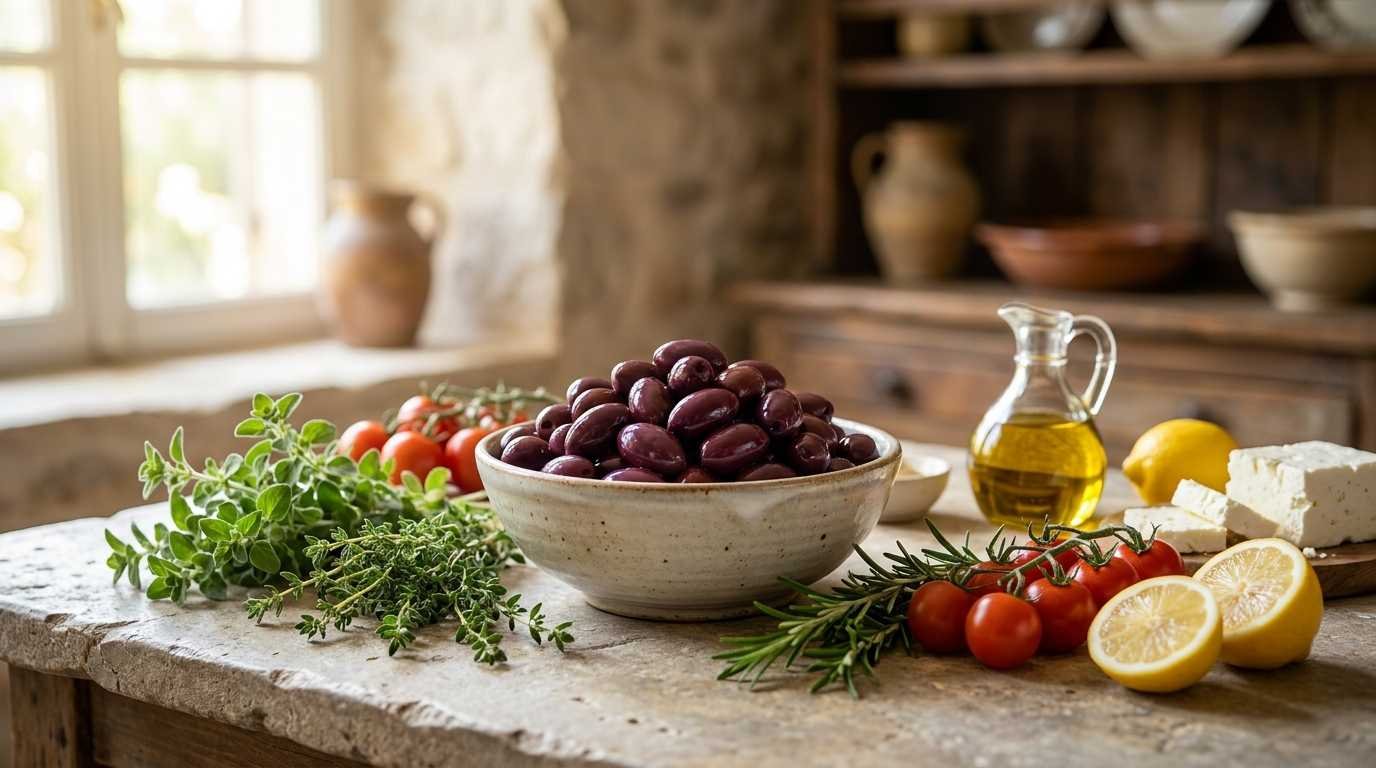
- Olives
- Stock cubes
- Miso
- Cured meats
- Fish sauce
- Worcestershire sauce
These ingredients can add considerable salt without looking like a seasoning ingredient.
A useful kitchen habit
When seasoning a large pot, add a little salt, stir, wait a moment, and taste.
Keep repeating until the dish tastes properly seasoned.
Use Acidity When Food Tastes Heavy or Flat
Acid is one of the most useful finishing tools in cooking.
Lemon juice, lime juice and vinegar can wake up a dish that tastes heavy, rich or dull.
This works particularly well with:
- Cream sauces
- Rich stews
- Beans
- Lentils
- Roasted vegetables
- Meat dishes
- Tomato sauces
- Grain bowls
Try adding a few drops of lemon juice to a spoonful of food first.
Taste it.
If the dish becomes brighter and more interesting, add a little more to the main dish.
Choosing the right acid
Different acids create different flavors.
| Acid | Good uses |
|---|---|
| Lemon juice | Fish, chicken, vegetables, sauces |
| Lime juice | Mexican, Thai and Latin-inspired dishes |
| Red wine vinegar | Beans, salads, braises |
| Apple cider vinegar | Pork, slaws, sauces |
| White wine vinegar | Light sauces and vegetables |
| Balsamic vinegar | Vegetables, salads, reductions |
| Rice vinegar | Asian-inspired dishes |
The amount matters more than the specific type.
A few drops can make a noticeable difference.
Add Sweetness to Soften Sharp Flavors
A dish can taste overly acidic, bitter or spicy when it needs a touch of sweetness.
Sugar is one option, but you have plenty of alternatives:
- Honey
- Maple syrup
- Caramelized onions
- Sweet vegetables
- Dried fruit
- Tomato paste
Use sweetness carefully.
The goal is usually to soften another flavor rather than make the dish taste sweet.
For example, a tomato sauce with strong acidity may need a tiny amount of sugar. Add too much and you’ll create a different problem.
How to Fix a Dish That Is Too Salty
A salty dish requires patience.
First, consider whether you can increase the overall volume of the dish. Adding unsalted ingredients can spread the salt across a larger amount of food.
Depending on the recipe, you might add:
- Unsalted stock
- Water
- More vegetables
- Unsalted beans
- More cooked grains
- Extra sauce ingredients
- Cream or coconut milk
For soups and stews, dilution is often effective.
For a pasta sauce, adding more unsalted tomato sauce can work.
Avoid blindly adding sugar. Sugar can mask some saltiness while leaving the dish poorly balanced.
How to Fix a Dish That Is Too Acidic
When there’s too much lemon, vinegar or another acidic ingredient, balance becomes the goal.
Depending on the dish, you can try:
- More of the main ingredients
- A little fat
- A small amount of sweetness
- Additional unsalted liquid
Cream, butter, olive oil and coconut milk can soften sharp acidity in suitable recipes.
A tiny amount of sugar can also help.
Make adjustments slowly because adding more ingredients changes the entire dish.
How to Fix a Dish That Is Too Spicy
Heat can build quickly, particularly with chili flakes, fresh chilies and hot sauces.
The best solution depends on the recipe.
You can often reduce perceived heat by increasing the amount of other ingredients. Dairy can also help in suitable dishes, while coconut milk works well in many spicy curries and soups.
For a sauce, you might increase the base ingredients.
For a stew, adding more vegetables, beans or broth may help.
And if the dish is already cooked, serving it with something mild—such as rice, bread, yogurt or a cooling side—can make the heat easier to handle.
How to Fix a Dish That Tastes Bitter
Bitterness can come from several sources.
Burnt garlic, charred ingredients, certain greens, excessive spices and overcooked vegetables can all contribute.
First, identify where the bitterness is coming from.
If the bitterness is mild, you may be able to balance it with:
- Salt
- Acidity
- Sweetness
- Fat
- More neutral ingredients
If something has actually burned, however, seasoning rarely solves the underlying problem.
Transfer the unaffected food to another pan without scraping up burnt material from the bottom.
How to Add More Depth to a Bland Dish
“Bland” can mean several different things.
The dish might need salt. It might need acid. It could lack savory depth or simply need stronger aromatics.
Taste before deciding.
If it tastes flat
Try a little salt.
If it tastes heavy
Try acidity.
If it tastes thin
Consider reducing the liquid or adding concentrated ingredients.
If it tastes one-dimensional
Add another flavor layer, such as herbs, toasted spices, garlic, ginger or an umami-rich ingredient.
If it tastes watery
Reduction may be the better answer.
Simmering can evaporate excess water and concentrate the existing flavors.
Use Umami to Give Food More Savory Depth
Umami creates a deep, savory quality that can make food feel fuller and more satisfying.
Useful ingredients include:
- Parmesan
- Mushrooms
- Tomato paste
- Miso
- Soy sauce
- Fish sauce
- Worcestershire sauce
- Anchovies
- Nutritional yeast
You don’t need much.
For example, a small spoonful of tomato paste cooked briefly with onions and garlic can give a sauce considerably more depth.
Adjust Richness With Fat
Fat carries flavor and affects how food feels in your mouth.
Butter, olive oil, cream, coconut milk and other fats can soften harsh flavors and give a dish a richer finish.
But too much fat can make food feel heavy.
If a creamy sauce tastes overwhelmingly rich, acidity can provide contrast.
This is why butter and lemon often work so well together.
The richness and acidity balance each other.
Taste for Texture, Too
Flavor isn’t the only thing you should evaluate.
Texture can make the difference between a satisfying dish and one that feels unfinished.
Ask yourself:
- Are the vegetables too soft?
- Is the sauce too thin?
- Is the meat dry?
- Does the dish need crunch?
- Is everything soft and similar?
- Does the food need a creamy element?
You can introduce contrast with:
- Toasted nuts
- Crispy breadcrumbs
- Fresh herbs
- Seeds
- Fried onions
- Croutons
- Pickled vegetables
A creamy pasta, for example, can benefit from toasted breadcrumbs or fresh herbs for contrast.
Taste at the Right Temperature
Temperature affects how you perceive food.
Very hot food can be difficult to evaluate accurately because heat can dull your ability to detect subtle flavors.
Let a spoonful cool slightly before tasting.
Also remember that some foods change dramatically as they cool.
A soup may taste properly seasoned when hot but more salty once it reaches serving temperature.
A sauce may become thicker as it cools.
Taste with the final serving temperature in mind.
How Often Should You Taste While Cooking?
Taste at key stages rather than continuously.
A good pattern is:
Before seasoning → after initial seasoning → after major ingredient additions → before serving.
Taste whenever the recipe changes significantly.
For example, if you reduce a sauce by half, taste again. The concentration of salt, acidity and sweetness will have changed.
The same applies after adding stock, cream, wine, cheese or other concentrated ingredients.
The One-Change-at-a-Time Method
This is perhaps the most useful habit for learning how to taste and adjust a dish.
Imagine your soup tastes flat.
Don’t immediately add salt, lemon, pepper and herbs.
Instead:
Taste → identify → adjust → stir → wait → taste again.
If salt fixes it, stop.
If it improves but still feels heavy, then test acidity.
This approach makes your cooking more predictable because you learn how individual ingredients affect the final result.
How to Taste a Dish Like a Cook
Professional cooks often taste with specific questions rather than simply asking, “Does this taste good?”
Try these questions:
1. Is it seasoned enough?
If the flavors seem muted, test salt.
2. Does it have enough brightness?
If the food feels heavy, test acid.
3. Is the flavor too sharp?
Try fat, sweetness or dilution depending on the recipe.
4. Does it have enough savory depth?
Consider umami-rich ingredients.
5. Is the texture right?
Look for softness, crunch, creaminess or chew.
6. Does the finish linger pleasantly?
Some dishes taste good at first but leave excessive bitterness, saltiness or heat.
This final impression matters.
Taste From a Separate Spoon
Use a clean tasting spoon every time.
Take a small portion from the cooking vessel, let it cool enough to taste safely, and evaluate it.
Don’t repeatedly put a spoon back into the pot after tasting.
This simple habit keeps your cooking cleaner and makes tasting more deliberate.
Common Mistakes When Adjusting Food
Adding too much at once
Small changes are easier to control.
Correcting before tasting
You may be solving a problem that isn’t actually there.
Adding salt automatically
Flat food often needs salt, but it can also need acid or another flavor.
Ignoring reduction
A sauce that tastes perfect before reducing may become far too salty afterward.
Chasing one flavor
Balance matters more than making one ingredient dominate.
Forgetting texture
Flavor and texture work together.
Tasting only at the beginning
The dish changes as ingredients cook, water evaporates and flavors concentrate.
A Simple Flavor Adjustment Cheat Sheet
Keep this mental chart handy:
| If your dish tastes… | Try… |
|---|---|
| Flat | Salt or acid |
| Heavy | Acid or fresh herbs |
| Too acidic | Fat, sweetness or dilution |
| Too sweet | Acid, salt or dilution |
| Too salty | Dilution or more unsalted ingredients |
| Too bitter | Sweetness, fat, salt or dilution |
| Too spicy | Dilution, dairy or coconut milk where suitable |
| Watery | Reduction or concentrated ingredients |
| Too rich | Acid or fresh ingredients |
| One-dimensional | Herbs, spices or umami |
| Thin | Reduction, fat or a thicker base |
| Dull | Fresh herbs, citrus zest or acid |
Use this as a starting point rather than a rigid formula.
The recipe and ingredients still determine the best solution.
How to Develop Your Palate
You can become much better at seasoning simply by tasting deliberately. If you’re still learning the fundamentals, start with our guide to cooking basics for beginners before working on more advanced flavor adjustments.
When you cook, pause and identify individual sensations.
Taste salt on its own.
Taste lemon juice.
Taste a sauce before and after adding a small amount of vinegar.
Try the same soup with slightly different amounts of seasoning.
Over time, you’ll start recognizing patterns.
You’ll know what “flat” tastes like. You’ll recognize excessive acidity. You’ll notice when a rich dish needs freshness.
That instinct comes from repetition.
Key Takeaways
- Taste before adjusting.
- Add small amounts and reassess.
- Test salt first when food tastes flat.
- Use acid to brighten rich or heavy dishes.
- Use sweetness carefully to soften acidity or bitterness.
- Dilute overly salty or spicy dishes when the recipe allows.
- Consider umami when a dish lacks savory depth.
- Don’t forget texture and temperature.
- Taste again after major cooking changes.
- Develop your palate through repeated, deliberate tasting.
Frequently Asked Questions
How do you know what a dish needs?
Taste a small spoonful and identify the strongest problem first. Flatness often points toward salt or acid, while excessive richness can benefit from acidity or fresh ingredients.
What should you add when food tastes bland?
Start by testing a small amount of salt. If the dish still tastes dull, test acidity with lemon juice or vinegar. Umami-rich ingredients can also add savory depth.
How do you fix food that is too salty?
Increase the amount of unsalted food or liquid where the recipe allows it. Water, unsalted stock, vegetables, grains or additional sauce ingredients can spread the salt across a larger volume.
How do you fix food that is too acidic?
Add more of the main ingredients, a suitable fat, or a small amount of sweetness. Make changes gradually and taste after each adjustment.
Should you taste food while cooking?
Yes. Taste at important stages, particularly after seasoning, reducing liquids or adding strongly flavored ingredients.
Why does my food taste bland even after adding salt?
The dish may need acidity, aromatics, herbs, spices or umami rather than more salt. Taste a sample with a tiny amount of acid to see whether the flavors become brighter.
How can I learn to season food without a recipe?
Taste repeatedly and make small adjustments. Over time, you’ll learn how salt, acid, sweetness, fat, heat and umami affect different ingredients.
When should you stop adjusting a dish?
Stop when the flavors taste balanced and no single element dominates unpleasantly. More seasoning isn’t automatically better.







Leave a Reply