

Stuffed cabbage soup brings all the comforting flavors of classic stuffed cabbage rolls into one simple, satisfying bowl. Instead of carefully wrapping individual cabbage leaves around a meat and rice filling, we combine the same essential ingredients in a hearty one-pot cabbage soup that is easier to prepare and perfect for busy weeknight dinners.
This recipe combines tender cabbage, savory ground beef, aromatic vegetables, tomatoes, rice, and a flavorful broth. The result is a rich and comforting soup with a slightly sweet tomato base, tender vegetables, and plenty of satisfying texture. It is the kind of meal that tastes even better after resting, making it an excellent choice for meal prep, family dinners, and cozy cold-weather meals.
Table of Contents
What Is Stuffed Cabbage Soup?
Stuffed cabbage soup is a deconstructed version of traditional stuffed cabbage rolls. Classic cabbage rolls typically contain seasoned ground meat and rice wrapped inside cabbage leaves and simmered in a tomato-based sauce. With soup, we skip the rolling and layering and cook everything together in a single pot.
The ingredients are familiar and affordable, but the cooking method makes the recipe considerably easier. We can brown the meat, sauté the vegetables, simmer the cabbage, and cook the rice without needing to assemble individual cabbage rolls.
The finished soup is hearty without being overly complicated, making it particularly useful when we want the flavor of traditional comfort food without spending hours in the kitchen.
Ingredients for Stuffed Cabbage Soup
For a flavorful pot of cabbage soup, we use a combination of simple pantry and fresh ingredients.
- Ground beef: Provides the savory, meaty foundation. Ground turkey or pork can also be used.
- Green cabbage: Gives the soup its signature texture and mild sweetness.
- Onion: Adds a savory aromatic base.
- Garlic: Enhances the overall flavor.
- Carrots: Add natural sweetness and color.
- Diced tomatoes: Provide acidity and tomato flavor.
- Tomato sauce: Creates a rich, smooth soup base.
- Beef broth: Adds depth and helps bring all the ingredients together.
- Rice: Makes the soup more substantial and gives it the characteristic stuffed-cabbage filling texture.
- Paprika: Adds warmth and gentle smokiness.
- Italian seasoning: Provides a convenient blend of herbs.
- Salt and black pepper: Balance the flavors.
- Brown sugar: Optional, but useful for balancing the acidity of the tomatoes.
We can also add a small amount of Worcestershire sauce for extra savory depth or red pepper flakes if we prefer a little heat.
How to Make Stuffed Cabbage Soup
1. Brown the Ground Beef
Begin by heating a large Dutch oven or heavy-bottomed soup pot over medium heat. Add the ground beef and cook until browned, breaking it into small pieces as it cooks.
If there is a large amount of excess fat, carefully drain some of it before continuing. Leaving a small amount behind can help carry flavor into the vegetables.
2. Sauté the Aromatic Vegetables
Add the chopped onion and carrots to the pot. Cook for several minutes until the onion begins to soften.
Add the minced garlic toward the end of this step. Garlic can burn quickly, so we only need to cook it briefly until fragrant.
This vegetable base gives the soup much more flavor than simply adding raw vegetables directly to the broth.
3. Add the Cabbage
Chop the cabbage into bite-sized pieces, removing the tough central core. Add it to the pot and stir thoroughly.
At first, the cabbage may appear to overwhelm the pot. There is no need to worry. As it cooks, cabbage releases moisture and softens considerably.
For a soup with noticeable texture, we should avoid overcooking the cabbage. It should become tender while retaining enough structure to keep every spoonful interesting.
4. Build the Tomato Broth
Pour in the diced tomatoes, tomato sauce, and beef broth. Add paprika, Italian seasoning, salt, black pepper, and any optional Worcestershire sauce.
Stir everything together and bring the mixture to a gentle boil.
Once bubbling, reduce the heat and allow the soup to simmer. This gives the cabbage and vegetables time to soften while allowing the tomato, beef, and seasonings to develop into a cohesive flavor.
5. Add the Rice
Add the rice according to the cooking method and rice variety being used. Stir well to prevent it from settling on the bottom of the pot.
Continue simmering until the rice is tender.
Because rice absorbs liquid as it cooks, we should keep an eye on the consistency. If the soup becomes thicker than desired, add additional broth or water until it reaches the preferred consistency.
How to Get the Best Flavor
The biggest difference between an average cabbage soup and an exceptional one comes from building flavor in layers.
First, browning the ground beef creates savory browned bits. Next, sautéing the onion and carrots softens them and brings out their natural sweetness. Adding garlic briefly prevents it from becoming bitter while still giving the soup a pronounced aromatic quality.
The tomato ingredients provide acidity and richness, while cabbage contributes subtle sweetness as it cooks.
For an especially balanced flavor, taste the soup near the end and adjust the seasoning. A little additional salt can make muted flavors more noticeable, while a small amount of brown sugar can soften excessive tomato acidity.
Can We Use Different Meat?
Absolutely. Ground beef is the classic choice, but stuffed cabbage soup is flexible.
Ground turkey creates a lighter version, while ground pork provides a richer flavor. A combination of beef and pork can produce an especially hearty result.
For a vegetarian version, we can omit the meat and increase the vegetables. Beans, lentils, mushrooms, or plant-based ground meat can provide additional substance.
What Type of Cabbage Works Best?
Green cabbage is the most straightforward choice because it is inexpensive, widely available, and holds up well during simmering.
Savoy cabbage can also work beautifully. Its leaves are more delicate and textured, producing a slightly softer result.
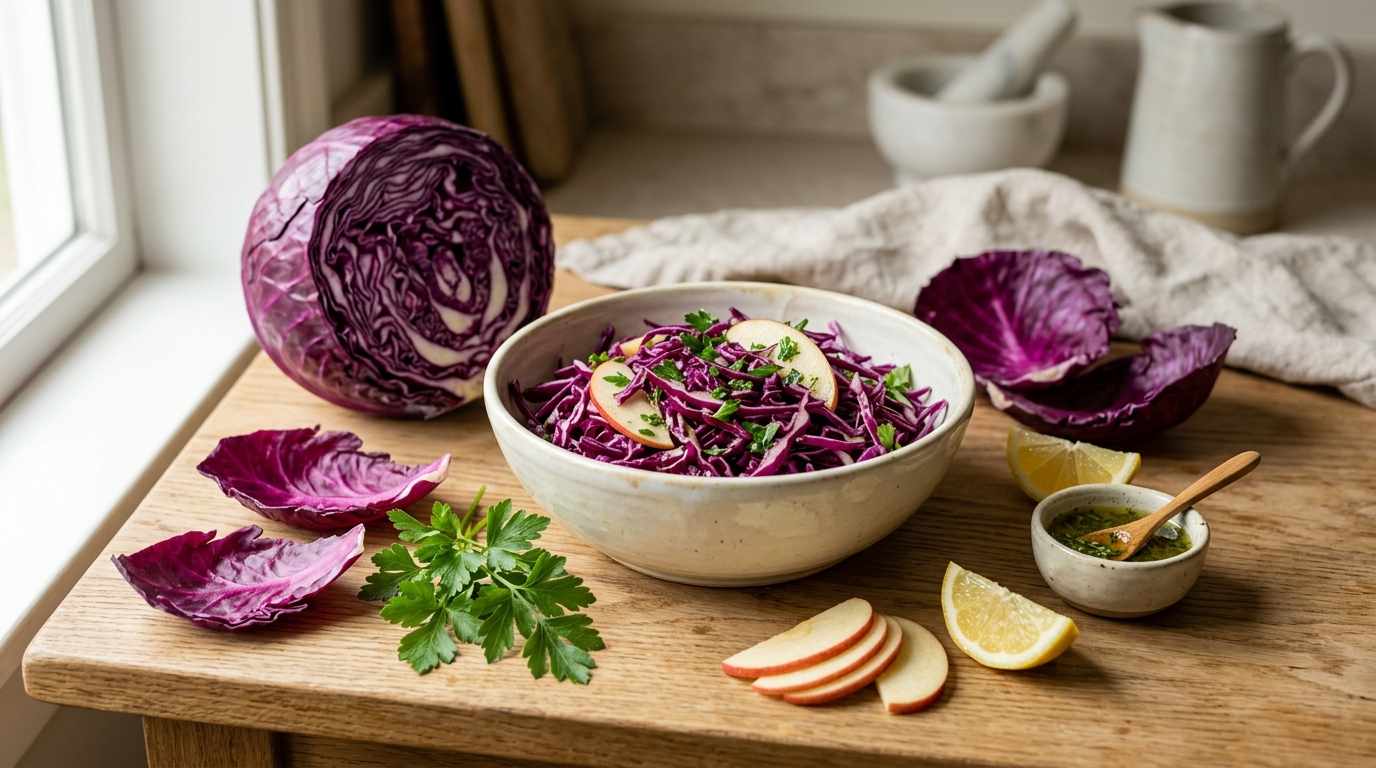
Red cabbage can technically be used, although it will dramatically change the appearance of the soup and may create a deeper purple-red color.
For the most traditional presentation, green cabbage remains the best option.
How to Prevent the Rice From Becoming Mushy
Rice continues absorbing liquid as it sits, which means a soup that has the perfect consistency immediately after cooking can become considerably thicker later.
To reduce this issue, avoid overcooking the rice. We can also cook the rice separately and add it to individual servings if we expect to have substantial leftovers.
This method is particularly useful for meal preparation because the cabbage soup remains brothy while the rice can be portioned separately.
If refrigerated soup becomes too thick, simply add a splash of broth or water while reheating.
How to Make Stuffed Cabbage Soup Ahead
Stuffed cabbage soup is an excellent make-ahead meal because the flavors often become more developed after resting.
Allow the soup to cool appropriately before transferring it to airtight containers. Refrigerate it and reheat individual portions on the stovetop or in the microwave.
When reheating on the stovetop, use medium-low heat and stir occasionally. Add extra broth if necessary.
For meal prep, portioning the soup into individual containers makes quick lunches and dinners much easier.
Can We Freeze Stuffed Cabbage Soup?
Yes, although the texture of the rice may change slightly after freezing and thawing.
For the best freezer results, consider preparing the soup without rice and adding freshly cooked rice when reheating. This keeps the rice from becoming overly soft.
Allow the soup to cool before transferring it into freezer-safe containers, leaving appropriate space for expansion. Thaw refrigerated portions before reheating whenever possible.
What to Serve With Cabbage Soup
Although this soup is filling enough to serve as a complete meal, a few simple sides can make dinner even more satisfying.
Serve it with:
- Crusty bread for soaking up the tomato broth
- Garlic bread for additional flavor
- A simple green salad for freshness
- Roasted vegetables for a larger family meal
- Sour cream for a creamy contrast
- Fresh parsley for a bright finishing touch
A spoonful of sour cream is particularly delicious with the rich tomato broth and savory cabbage.
Easy Variations
One of the best things about this recipe is how easily it can be adapted.
For extra vegetables, add diced celery, zucchini, bell peppers, or mushrooms. For more heat, include red pepper flakes or a pinch of cayenne.
We can also replace white rice with brown rice, although the cooking time and liquid requirements may need adjustment.
For a lower-carbohydrate version, simply leave out the rice and add additional cabbage or another vegetable.
A little smoked paprika can create a deeper, more rustic flavor, while fresh dill or parsley can brighten the finished soup.
Tips for the Perfect Stuffed Cabbage Soup
For consistently delicious results, keep these practical tips in mind:
- Brown the meat thoroughly before adding the broth.
- Do not burn the garlic, as it can quickly turn bitter.
- Cut the cabbage into relatively uniform pieces so it cooks evenly.
- Simmer gently rather than boiling aggressively.
- Taste and adjust seasoning before serving.
- Watch the rice carefully because it absorbs a significant amount of liquid.
- Add extra broth when reheating leftovers.
- Let the finished soup rest briefly before serving so the flavors can settle.
Why This One-Pot Recipe Works
Stuffed cabbage soup delivers everything we love about traditional stuffed cabbage without the time-consuming assembly.
The combination of ground meat, tender cabbage, rice, tomatoes, and aromatic vegetables creates a complete and satisfying meal from inexpensive ingredients. Cooking everything together also means fewer dishes and less preparation.
It is especially useful when feeding a family because the recipe can easily be scaled up. A large pot can provide dinner for several people while leaving enough for convenient lunches the following day.
Final Thoughts
Stuffed cabbage soup is the perfect shortcut when we crave the comforting flavors of traditional cabbage rolls but want a simpler cooking method. Tender cabbage, seasoned ground beef, vegetables, rice, and rich tomato broth come together in one pot to create a warm, satisfying meal.
With its flexible ingredients, make-ahead convenience, and hearty texture, this soup deserves a regular place in a comforting family dinner rotation. Serve it with crusty bread, finish it with fresh herbs or a spoonful of sour cream, and enjoy a classic-inspired meal without the work of rolling individual cabbage leaves.
Frequently Asked Questions
Can we make stuffed cabbage soup without rice?
Yes. Simply omit the rice and add more cabbage or vegetables. The soup will be lighter but still flavorful and filling.
Why is my cabbage soup too thick?
Rice continues absorbing liquid as it cooks and sits. Add additional beef broth or water until the desired consistency is reached.
Can we use leftover cooked rice?
Yes. Add cooked rice toward the end of cooking and simmer only long enough to heat it through. This is also a good way to control the final texture.
Can we make this soup in a slow cooker?
Yes. Brown the ground beef first for better flavor, then transfer it to the slow cooker with the remaining ingredients. Because rice can become overly soft during long cooking, adding cooked rice toward the end is often preferable.
Is stuffed cabbage soup good for meal prep?
Absolutely. It stores well in the refrigerator and can be portioned into individual containers for convenient lunches or dinners. Keep additional broth available because the rice will continue absorbing liquid during storage.







Leave a Reply